The Quiet Unraveling of American Trade Enforcement
"The prosperity of commerce is now perceived and acknowledged by all enlightened statesmen to be the most useful as well as the most productive source of national wealth, and has accordingly become a primary object of their political cares."
-- Alexander Hamilton, Federalist No. 12
Hamilton argued for lawful commerce -- disciplined by rules, enforced by institutions, and oriented toward national strength. EnforcementNOW exists to elevate industry's voice and organize it in support of consistent, effective enforcement.
How America's Customs Verification and Enforcement Model Unraveled
Over several decades, changes to valuation law, verification practices and institutional structure reshaped how the United States administers its customs system. These changes arose from legitimate legal, commercial and policy objectives. Their cumulative effect, however, was a customs architecture increasingly dependent on importer declarations and post-entry review—and increasingly strained in its ability to verify those declarations and enforce the law amid the volume and complexity of modern trade.
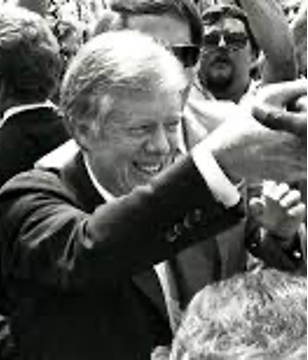
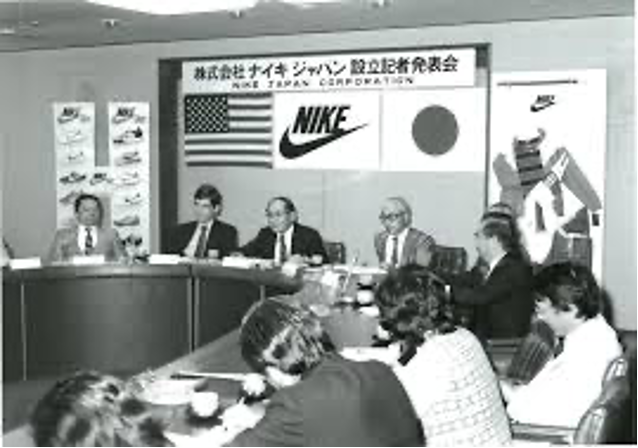


These developments reflect a gradual shift away from independent government verification and toward a model built substantially on importer self-declaration. Change was driven by real administrative and diplomatic pressures. The cumulative result is a customs regime whose enforcement capacity has not kept pace with the scale, speed, and complexity of global trade.