Press & Resources
Media Coverage
News articles and journalism about trade enforcement

House Passes China-Focused Trade Crimes Bill to Set Up DOJ Task Force
Inside U.S. Trade reports the House passed H.R. 1869, backed by most of the China Select Committee, to create a dedicated DOJ trade crimes task force. The trade publication of record for Hill staff; the bill now waits on the Senate. Subscription required.

Tariff-Dodging Settlements Underscore DOJ Focus on Trade Fraud
Bloomberg Law reports more than $1 billion in DOJ trade-fraud enforcement recoveries and resolutions, including the $549.5 million Perfectus Aluminum settlement, alongside growing use of the False Claims Act. These developments demonstrate meaningful enforcement activity and growing whistleblower incentives. The remaining measure of success is how much money is collected and whether the consequences effectively deter future violations.
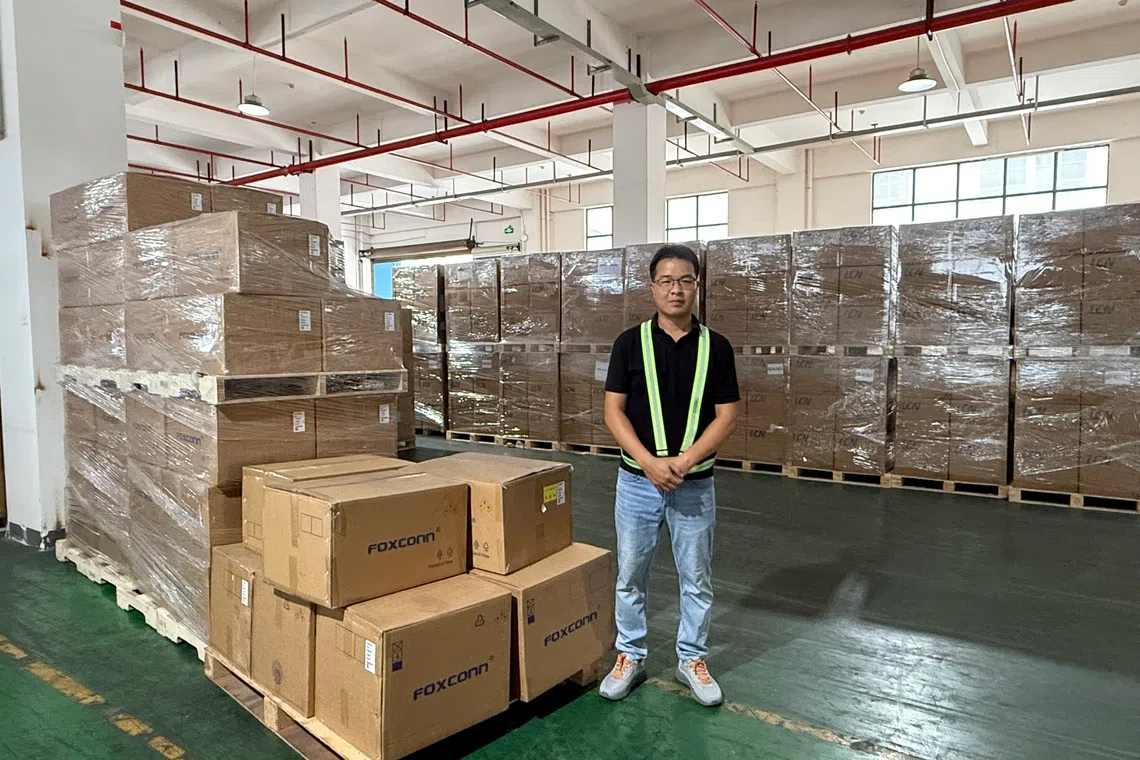
Rumbling Trucks, Busy Border Crossing: How China Feeds Vietnam’s Factory Boom
The Straits Times documents the rapid expansion of China's manufacturing and logistics integration with Vietnam. Trade through the Friendship Pass crossing rose 28.3% in the first half of 2026, while Chinese investment and components increasingly support Vietnamese production. This integration complicates origin verification, although expanding legitimate supply chains is not itself evidence of customs fraud.

White House Says Transshipped Goods Cost up to $26 Billion in Lost Tariffs
Reuters reports White House estimates that illegal transshipment costs the United States $19 billion to $26 billion annually in lost tariff revenue. The report uses a central estimate of $75 billion in transshipped goods, while identifying numerous countries presenting elevated origin-evasion risks. These estimates illustrate the potential scale of the problem but should not be confused with proven violations or assessed duties.
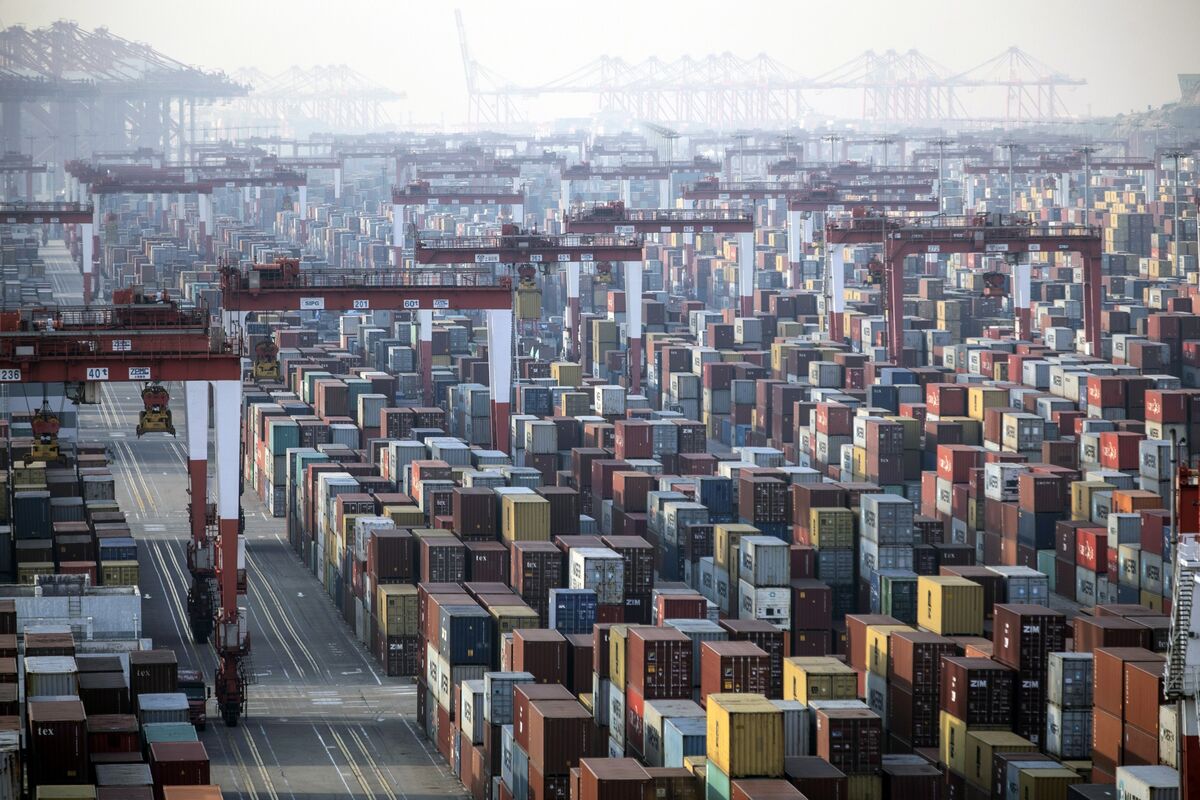
Trump Trade Enforcers Deploy AI in Tariff Evasion Crackdown
Bloomberg examines the administration's use of artificial intelligence to identify suspicious shipments and origin declarations, alongside a White House report estimating substantial losses from illegal transshipment. Better detection tools are a meaningful development, but their success ultimately depends on investigations, legally sustainable findings and financial consequences.

White House Accuses Over 40 Countries of Assisting China Avoid US Tariffs
The Hill covers a White House report identifying roughly 40 countries as potential transshipment-risk jurisdictions and estimating $19 billion to $26 billion in annual tariff revenue losses. The report draws attention to the scale of suspected evasion, but country-level risk estimates are not findings that individual exporters or governments committed fraud.
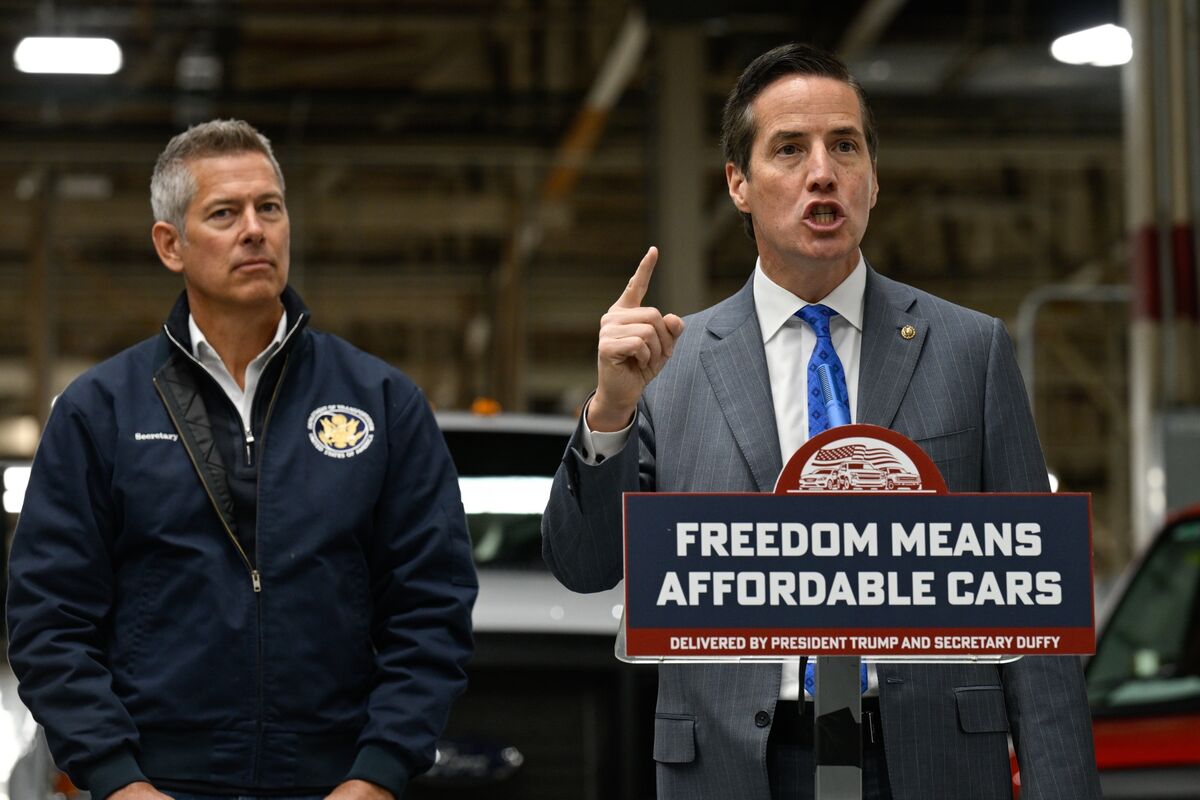
Trump Urged by Lawmakers to Boost Enforcement to Catch Tariff Dodgers
Bloomberg’s Supply Lines newsletter on lawmakers pressing the administration to fund and staff customs enforcement, published the day before the White House report. Tariffs had outrun the capacity to collect them, and Congress had noticed.
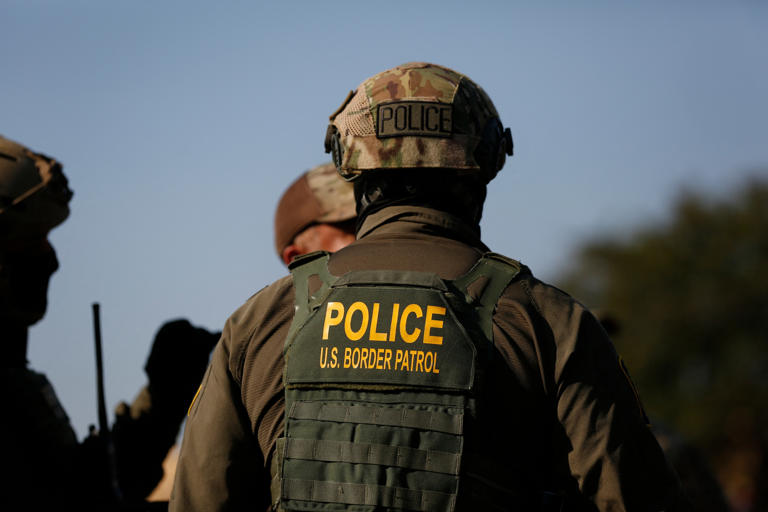
CBP Raids China-Linked Vietnam Factories Over Transshipment as 40% Penalty Looms
Reports of unannounced U.S. customs inspections at China-linked factories in Vietnam suggest greater scrutiny of manufacturing activity and origin claims. Officials reportedly examined input sourcing and production records. The reported 40% transshipment tariff raises the stakes, but an inspection is not proof that the companies involved violated U.S. law.

US Customs Officials Inspect China-Linked Factories in Vietnam
Reuters, citing Bloomberg, reports that U.S. customs officials conducted spot inspections of China-linked factories in Vietnam, examining materials, production processes and local value added. Reuters could not independently verify the inspections, and Bloomberg reported no significant evidence of illicit transit. The reported inspections point toward more direct verification of manufacturing claims, not a finding of fraud.

Does the United States Have the Weapons for a Trade War?
Foreign Policy asks whether CBP, the DOJ Trade Fraud Task Force and the rest of the enforcement system have the staff, tools and will to back the tariffs they serve. Interviews with officials, manufacturers and trade experts on where the gap sits.

Trump Signs Order Directing Customs Crackdown Amid Trade Gaps
Bloomberg on the June 2026 executive order directing CBP and partner agencies to intensify investigations into transshipment, undervaluation and misclassification. Notable for the admission inside it: higher tariff rates raised the payoff for evasion faster than enforcement grew.
Rerouted US Imports Avoiding Trump's Tariffs Top $300 Billion
Bloomberg's analysis of Altana shipment data identifies approximately $300 billion annually in goods entering the United States through Southeast Asia and Mexico while avoiding higher tariffs. Much of this routing may be lawful. The scale nevertheless exposes an enforcement challenge: determining when genuine manufacturing relocation becomes tariff evasion through false origin declarations.

China Is Squeezing Foreign Companies to Keep Their Supply Chains Close
The New York Times on Beijing’s use of export controls, subsidies and red tape to keep foreign companies’ supply chains anchored in China. Context for why “diversified” sourcing so often still means Chinese content.

'Definitely a Sham': As Tariffs Climb, Trade Fraud and Accounting Tricks Proliferate
The New York Times examines growing incentives to undervalue imports and manipulate customs declarations as tariffs rise. Reported discrepancies in declared shipment values highlight the difficulty of detecting fraud across enormous import volumes. Establishing the underlying violation requires examination of individual entries, invoices and actual commercial transactions.

How Trump’s Tariffs Altered Global Supply Chains in Unintended Ways
Bloomberg documents Vietnam's growing role in electronics assembly, with Chinese components continuing to account for much of the finished products' value. In some cases, local assembly adds less than 8%. Low domestic value added does not automatically establish origin fraud, but it illustrates why CBP must examine actual production processes rather than rely solely on declared origins.
Tariff Fraud in US-China Trade
Bloomberg’s investigative newsletter on the main evasion methods in U.S.–China trade: undervaluation, misclassification and origin manipulation. A compact primer on how the schemes work and why detection lags.

China's $112 Billion Cargo Gap Shows Record US Tariff Evasion
Bloomberg investigates a record $112 billion discrepancy between China's reported exports to the United States and U.S. import records, alongside evidence of suspicious shipping offers and undervaluation practices. The gap raises serious concerns about tariff evasion, although not every missing dollar represents proven fraud. The scale exposes substantial weaknesses in customs visibility and reporting.

How China plans to dominate global trade long after Trump
Reuters' examination of 100 Chinese policy papers reveals Beijing's long-term strategy to deepen global trade integration and reduce U.S. economic leverage. China is pursuing approximately 20 trade agreements and greater influence over international commercial networks. The implications extend beyond tariff evasion to the broader challenge of preserving American industrial competitiveness.

The Chinese Factory That Opened in the U.S. and Clobbered Its Rivals
The Wall Street Journal examines the competitive pressure Fuyao Glass America's Ohio operations have placed on U.S. automotive-glass manufacturers, including Vitro. The story also addresses allegations concerning Fuyao's labor practices and related operations. The case raises difficult questions about competition and enforcement, while allegations under investigation must remain distinct from established violations.

Inside China's Rerouted Supply Chains
The Diplomat examines the increasing movement of China-linked supply chains through third countries as U.S. tariffs reshape trade routes. The enforcement challenge is not the movement of production itself, but determining whether goods genuinely acquire a new origin or are routed to disguise their Chinese manufacture.

Are Vietnam and Thailand Helping China Dodge US Tariffs?
Nikkei Asia examines how rising exports from Vietnam and Thailand intersect with U.S. tariffs on Chinese goods. Expanding regional manufacturing and logistics networks create opportunities for legitimate diversification as well as potential tariff evasion. Enforcement must distinguish between the two by examining production activity and origin claims.
CBP Warns of Rising Illegal Transshipment Schemes
Washington Trade & Tariff Letter examines CBP's concerns about transshipment, undervaluation and increasingly complex import arrangements. Such practices can deprive the government of duties and undermine compliant manufacturers. The enforcement challenge is identifying violations, establishing liability and recovering duties before those responsible can evade accountability.

Vietnam: Where Chinese goods go to be redirected to the US
Nikkei Asia examines Vietnam's growing role in supply chains connecting Chinese manufacturers with the American market. The critical distinction is between genuine manufacturing that establishes a new country of origin and the unlawful relabeling of Chinese products. Rapid trade growth makes effective verification increasingly important.

China's Automotive Market Deemed Existential Threat, With Worries Washington Can't Count on EU for Help
Coalition for a Prosperous America examines the competitive threat posed by China's rapidly expanding automotive and auto-parts industries, including concerns raised before Congress about Chinese goods entering the U.S. through third countries. The article underscores the difficulty of protecting American manufacturing when trade remedies are not matched by effective enforcement.

DOJ Signals Coming Surge in Criminal Tariff Evasion Enforcement
Akin Gump reports that senior DOJ officials reaffirmed criminal customs and tariff enforcement as a priority, highlighting an active pipeline of investigations and the use of criminal statutes against customs fraud. The commitment is significant, but meaningful deterrence will depend on sustained prosecutions, financial consequences and individual accountability.

China's Trade Surplus Tops $1 Trillion, Underscoring Its Export Dominance
The Wall Street Journal reports China's annual trade surplus surpassing $1 trillion, underscoring the resilience and scale of its export industries despite U.S. tariffs. Chinese producers have expanded their reach beyond the American market. That capacity has implications for U.S. industrial competitiveness and the effectiveness of trade measures intended to alter China's commercial behavior.

China's Economy Is in Serious Trouble. That's Bad for Everyone.
New York Times opinion examines China's weak domestic demand, overcapacity and sustained price pressures. These structural problems encourage manufacturers to seek additional markets abroad, intensifying competition with American producers. The consequences for U.S. industry extend beyond trade enforcement, but make effective application of existing trade laws particularly important.

Whirlpool Tells U.S. Authorities Its Rivals Could Be Evading Tariffs
The Wall Street Journal reports Whirlpool's concerns that competitors may be undervaluing imported appliances to reduce customs duties. Falling declared import values prompted questions about compliance and enforcement. Such discrepancies warrant investigation, but do not establish fraud without evidence concerning the underlying transactions.
Illegal Transshipment, Double Invoicing and Misclassification in US Government's Crosshairs
Global Trade Review reports CBP findings identifying more than $400 million in unpaid duties, including approximately $250 million in evaded antidumping and countervailing duties, involving investigations of 23 importers. The findings demonstrate the reach of EAPA enforcement against transshipment networks. The unresolved issue is how much of those identified duties can ultimately be recovered.
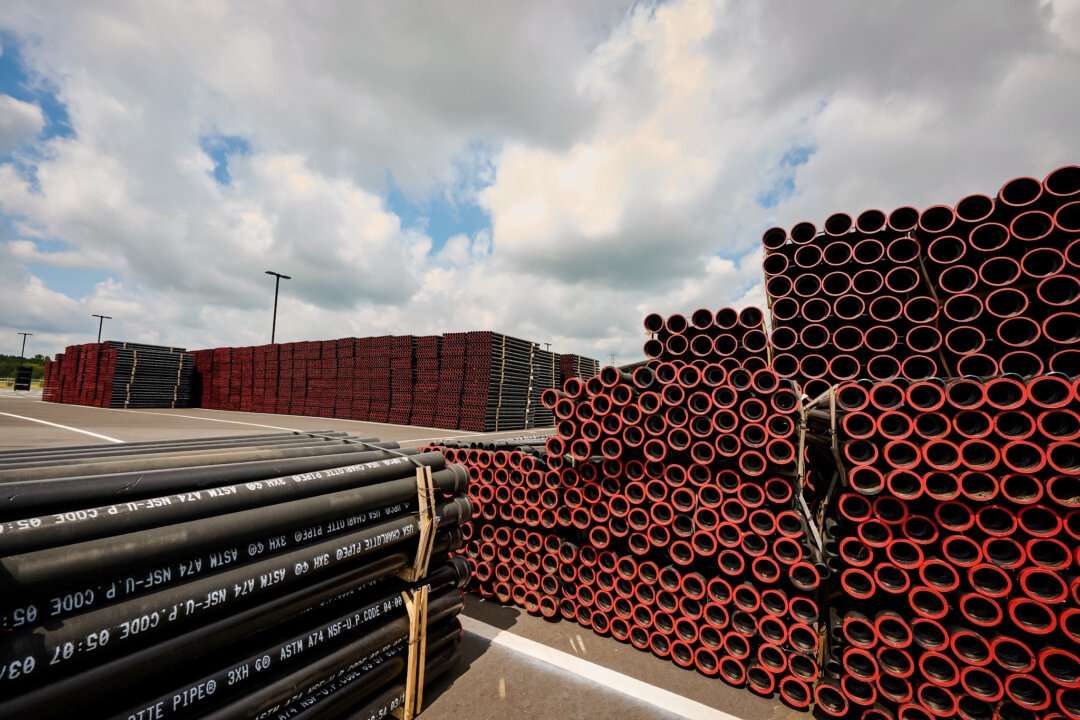
Standing Up to China's Tariff Evasion
The Epoch Times profiles manufacturers who filed CBP complaints, the evidence they had to assemble and how long they waited. It catalogues the tactics, from rotating shell importers to de minimis, that outpace agency staffing.

Tariff Enforcement Will Hit Canada, EU Companies Hardest
Bloomberg Law analyzes why Canadian and European companies may face particular exposure to increased U.S. criminal tariff enforcement, citing significant trade volumes and established cross-border legal cooperation. The authors' argument highlights an important practical issue: enforcement outcomes depend not only on suspected misconduct, but also on prosecutors' ability to obtain evidence and pursue defendants.

China Intensifies War on Toxic Competition as Economy Suffers
Caixin examines Beijing's campaign against destructive price competition, weak industrial profits and persistent overcapacity. The underlying pressures extend across steel, automotive, solar and other manufacturing industries. China's difficulty absorbing its own production capacity raises important questions about the competitive pressure its manufacturers will continue to exert in overseas markets.

Battling Tariff Fraud Is a Little-Known Front in Trump's Trade War
The Wall Street Journal examines DOJ's growing focus on tariff evasion, including illegal transshipment, misclassification and undervaluation. Rising tariffs increase both the incentive to cheat and the importance of criminal enforcement. The challenge is translating enforcement priorities into investigations, prosecutions and meaningful consequences.

White-Collar and Criminal Law/DOJ Frauds Unit Tasked with Pursuing Evasion of Trump Tariffs
Bloomberg Law reports that DOJ directed its Fraud Section to pursue criminal tariff-evasion cases, bringing experienced financial-crime prosecutors into customs enforcement. The decision represents a meaningful institutional commitment. Its effectiveness will depend on sustained investigative capacity, specialized trade expertise and successful prosecution of serious violations.

Trade Crime Is Soaring, U.S. Firms Say, as Trump’s Tariffs Incentivize Fraud
The New York Times on rising trade crime as tariffs climb, quoting David Rashid of Plews & Edelmann and Brad Muller of Charlotte Pipe and Foundry. The reporting put named manufacturers, not statistics, at the center of the enforcement story.

Trump Has Imposed a Lot of Tariffs. But Here's Why Collecting Them Can Be Hard
NPR on why collecting tariffs is harder than imposing them: the agencies screening imports are understaffed for the volume. Officials describe verifying a small fraction of entries, which sets the odds for evasion.

China-US Exporters Undervalue Cargo, Dodge US Tariffs
CNBC investigates the use of undervaluation and potentially false commercial invoices to reduce customs duties on imports from China. Misstating transaction values can allow noncompliant importers to gain a substantial cost advantage. The reporting highlights why verifying the underlying transaction is essential to effective customs enforcement.
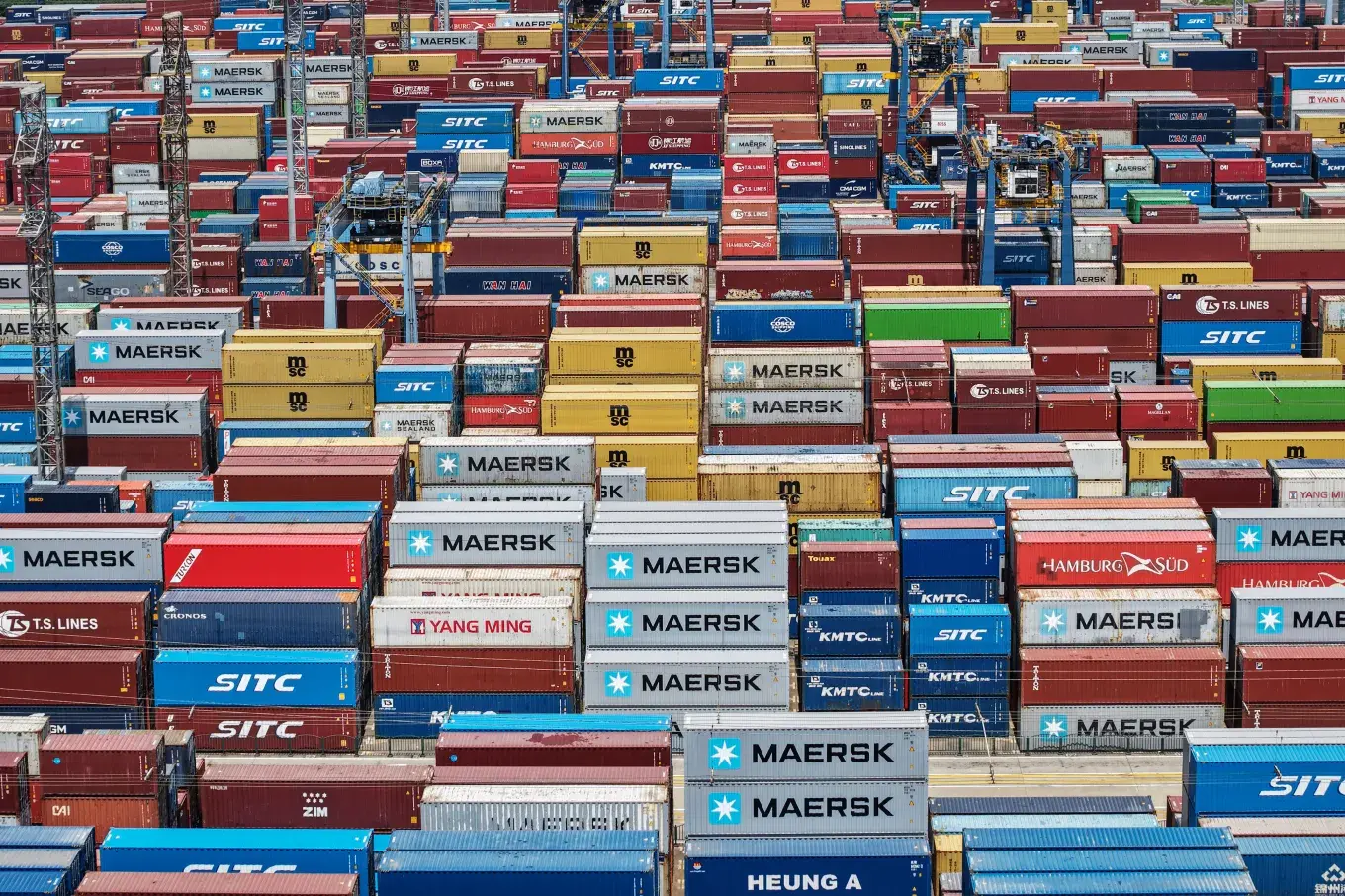
China-US Tariff Dodging: Transshipment Under Trump
Newsweek examines concerns that Chinese-origin goods are being routed through third countries to avoid U.S. tariffs. The reporting highlights why unusual trade patterns and corporate structures merit investigation. For affected American manufacturers, the challenge is converting evidence of suspected violations into timely, effective enforcement.

Trade War/Trump Tariffs/Shell Game: How Chinese Firms Dodge U.S. Tariffs
Nikkei Asia examines how complex corporate and logistics arrangements can obscure the origin of goods entering the United States. Shell companies and misleading documentation can make tariff evasion difficult to detect. Effective enforcement requires scrutiny of ownership, actual production activity and the evidence supporting customs declarations.

World Report: China's Formidable Logistics Sector Challenges Trump Tariff Enforcers
Nikkei Asia examines the scale and adaptability of Chinese logistics networks as tariffs encourage changes in international shipping routes. These networks can facilitate legitimate trade, but also make suspected origin manipulation harder to trace. Effective enforcement must follow production and commercial documentation across borders, rather than treating indirect shipping alone as proof of wrongdoing.

Thousands of Agents Diverted to Trump Immigration Crackdown
Reuters documents the reassignment of federal investigators, including Homeland Security Investigations personnel, to immigration operations. HSI also investigates smuggling, financial crimes and customs-related offenses. The diversion raises legitimate questions about competing enforcement priorities and investigative capacity, although its specific effect on trade-fraud cases has not been quantified.

Americas Trade Hawks Fear the Gaps in Trumps Tariff Wall
The Economist on the gaps in the tariff wall: de minimis, thin customs staffing, slow penalties and turnkey transshipment routes. Its point about pace is the one that matters: violators profit for years before consequences arrive.

U.S. Lawmakers Urge Probes Into Alleged Chinese Tariff Dodging
Nikkei Asia on lawmakers’ call for investigations into Chinese tariff dodging, quoting David Rashid of Plews and Edelmann that there is almost no recourse against violators. Coverage of the March 2025 press conference for an Asian business readership.

U.S. Firms Demand Crackdown on Tariff-Evading Chinese Importers
Reuters on the March 5, 2025 Capitol Hill press conference, quoting David Rashid, Betsy Natz of KCMA and Milton Magnus of M&B on evasion by Chinese importers and the case for criminal enforcement. The wire story that put the alliance’s argument in front of newsrooms.
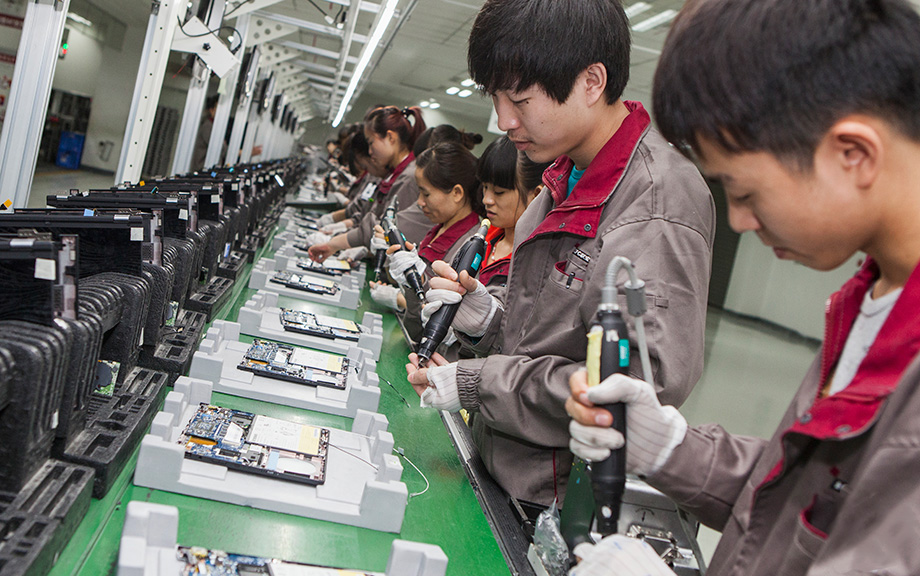
U.S. Imports from China Have Fallen by Less Than U.S. Data Indicate
New York Fed research finds more than $100 billion in apparent missing U.S. imports when comparing American and foreign trade statistics, largely attributable to discrepancies involving China. Underinvoicing, Chinese export-reporting practices and de minimis shipments are possible explanations. The researchers conclude that China's economic presence in the U.S. market is considerably greater than American import statistics suggest.
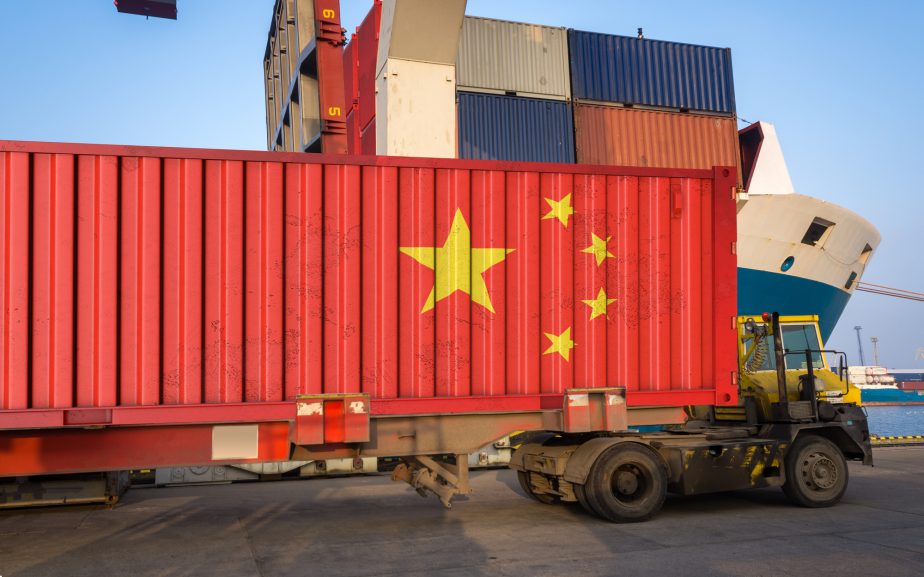
Americas Blind Spot: How Failing Trade Enforcement Strengthens Beijing
Opinion piece in The Diplomat arguing that weak enforcement is the blind spot in U.S. strategy toward China, using the M&B Metal Products and KCMA cases. Written from inside the alliance’s own experience.

Why Economists Got Free Trade With China So Wrong
NPR on how mainstream economists underestimated the lasting damage of the China trade shock to U.S. manufacturing communities. Background for why enforcement failures land hardest in towns that already lost once.

The Not-So-Secret Way Around U.S. Tariffs
The Wall Street Journal on Chinese cabinets rerouted through Malaysia, the Customs evasion probe that followed, and the split it opened in the U.S. cabinet industry. The KCMA case, told from the inside.

Milton Magnus vs. China: One Man's Trade War
The Wall Street Journal profiles Milton Magnus of M&B Metal Products in Leeds, Alabama, the last U.S. wire-hanger maker, and his years-long fight against duty evasion. One of the few national profiles of what the enforcement gap looks like from a single plant.

Lawmakers Probe if US Retailers Bought Chinese Auto Parts That Evaded Tariffs
Reuters reports that bipartisan lawmakers questioned six major auto-parts retailers about purchases from Qingdao Sunsong and its U.S. subsidiary. Citing company disclosures and suspected transshipment through Thailand, lawmakers sought information about sourcing and compliance. Their inquiry illustrates the growing scrutiny of downstream purchasers, but does not establish that the retailers knowingly imported tariff-evading goods.

The Trade Fraud Detective
NPR’s Planet Money follows David Rashid of Plews & Edelmann as he traces how a Chinese competitor’s parts reached the U.S. market around Section 301 tariffs. The clearest explanation in audio of why enforcing a tariff is harder than imposing one.
Auto Parts Executive Slams China’s Alleged End Run Around US Tariffs
FreightWaves interviews David Rashid of Plews and Edelmann on the evidence he assembled of a Chinese competitor’s end run around U.S. tariffs and his efforts to get federal agencies to act. The trade-press account that reached the logistics industry.

The Tariff Toll: Enforcement, DOJ, CBP, DHS, Plews and Edelmann
The Wire China examines Plews & Edelmann's years-long effort to investigate suspected tariff evasion by Chinese competitor Qingdao Sunsong. The investigation follows the company's examination of trade records, Chinese corporate disclosures and overseas production arrangements. The case illustrates the substantial investigative burden American manufacturers can face when seeking government action against alleged trade fraud.

DHS Raids Chinese Car Parts Maker’s U.S. Headquarters
Axios reports the DHS search warrant executed January 18, 2024 at the Ohio headquarters of Harco Manufacturing Group, acquired by Sunsong in 2015. The first public enforcement step in the case at the center of the Plews & Edelmann story.
Q&A: David Autor on the Long Afterlife of the "China Shock"
MIT economist David Autor examines the lasting damage Chinese import competition inflicted on American manufacturing communities. Employment and earnings in the hardest-hit regions remained depressed years after the original shock. The research demonstrates how industrial losses can persist for decades, although it does not separately measure the impact of customs fraud or enforcement failures.

Chinese Billionaire Indicted in U.S. for Alleged $1.8 Billion Aluminum Tariff Evasion
Reuters reports the 2019 indictment of China Zhongwang founder Liu Zhongtian and others in an alleged $1.8 billion aluminum duty-evasion scheme. Related corporate defendants were convicted in 2021, and Perfectus Aluminum and affiliated companies agreed to a separate $549.5 million civil settlement in 2026. The chronology demonstrates how major customs-fraud matters can extend across years of criminal and civil proceedings.

Ian Fletcher: Five Years Later, Free Trade Still Doesn't Work
Ian Fletcher’s 2015 retrospective on the free-trade consensus and why its predictions failed. The intellectual background to the alliance’s argument that open markets require enforced rules.

Front Line in a Trade War with China – Leeds-Based M&B Hangers
Business Alabama’s 2014 profile of M&B Hangers in Leeds, the last domestic wire-hanger maker, and Milton Magnus’s years of complaints to agencies about Chinese hangers routed through Vietnam and Malaysia. The same case the Wall Street Journal profiled a decade later, which is the point.