Trade Crime
How it works, the harm it causes and why it persists
01
America’s economy under siege
America’s economic success depends on the health of its domestic industries and the infrastructure, supply chains and skills built over generations to support them.
Producers from non-market economies—most notably China—benefit from state subsidies, preferential financing and weaker labor or environmental standards. U.S. trade protections in the form of tariffs, quotas and other restrictive measures help counter these distortions.
Trade crime undermines these protections and threatens America’s future success.
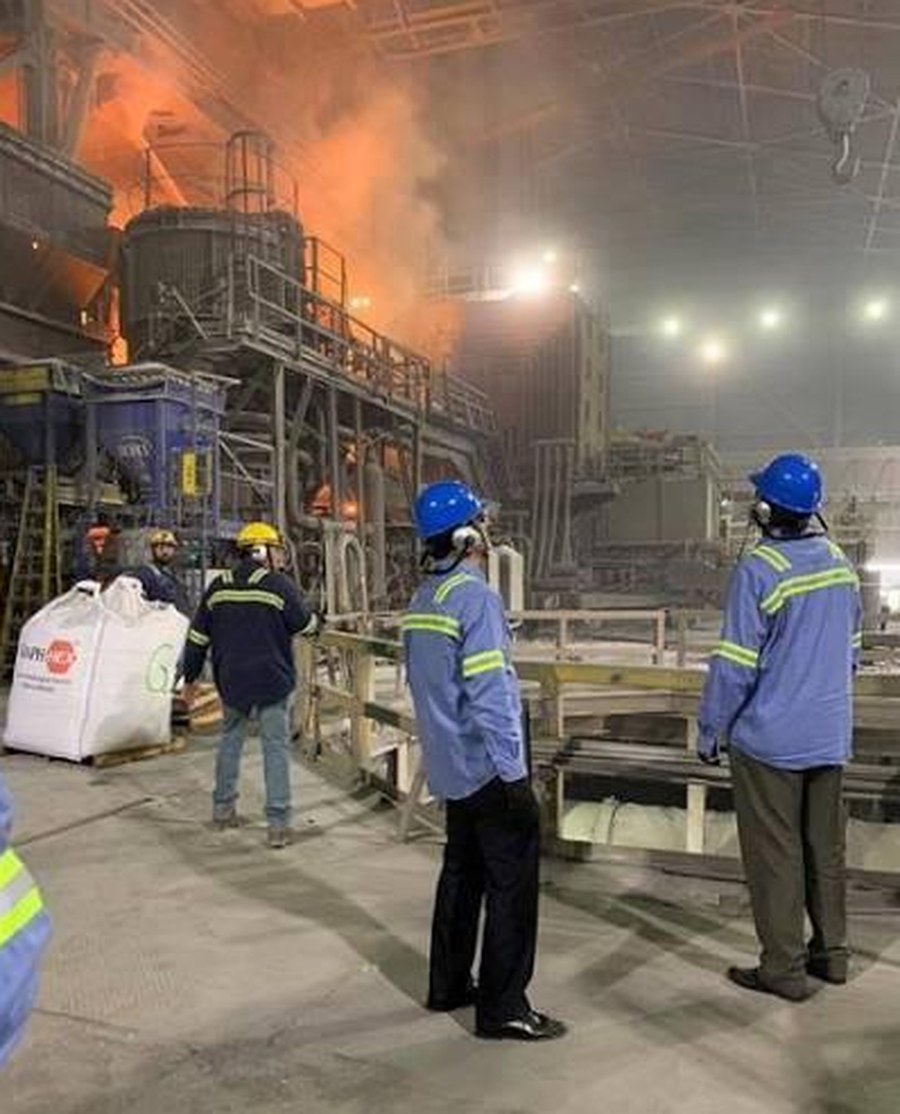 Optimus Steel · Texas
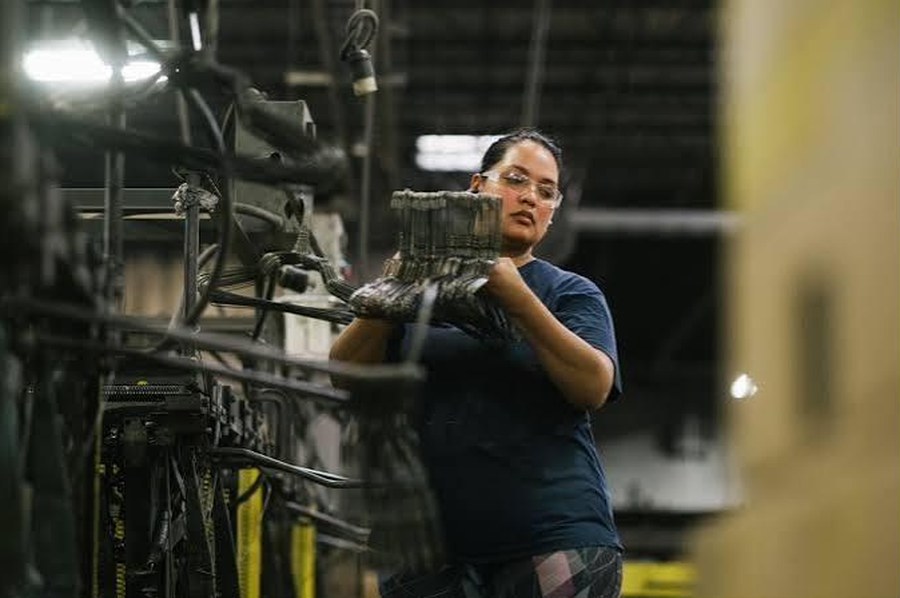 M&B Hangers · Alabama
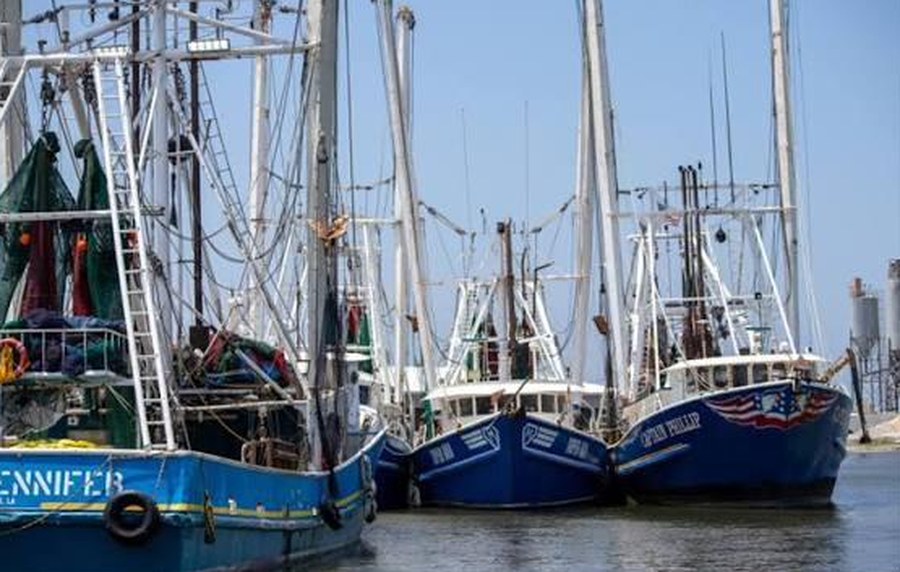 Southern Shrimp Alliance
Louisiana
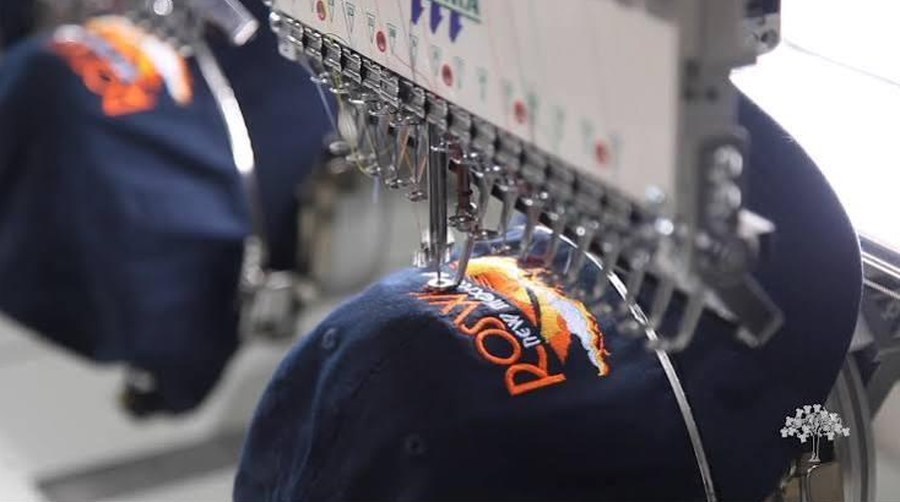 Ann Arbor T-shirt Co.
Michigan
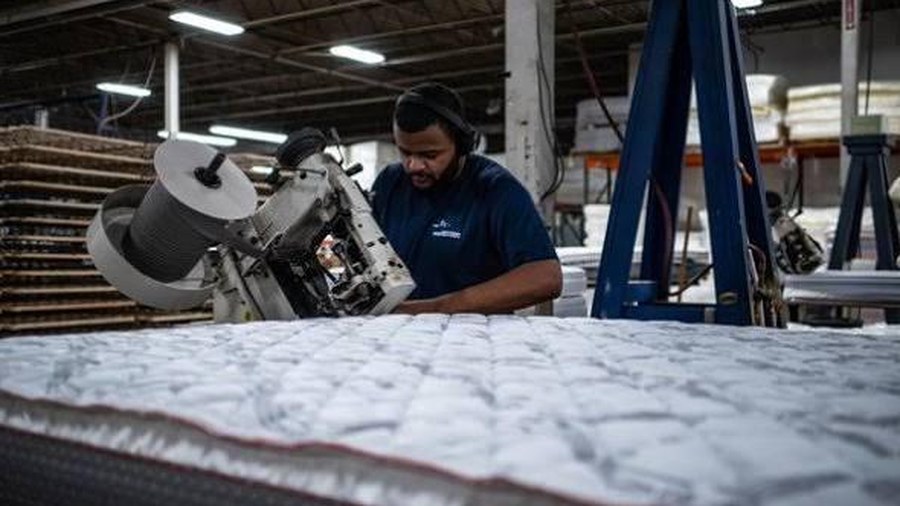 Everest · Washington
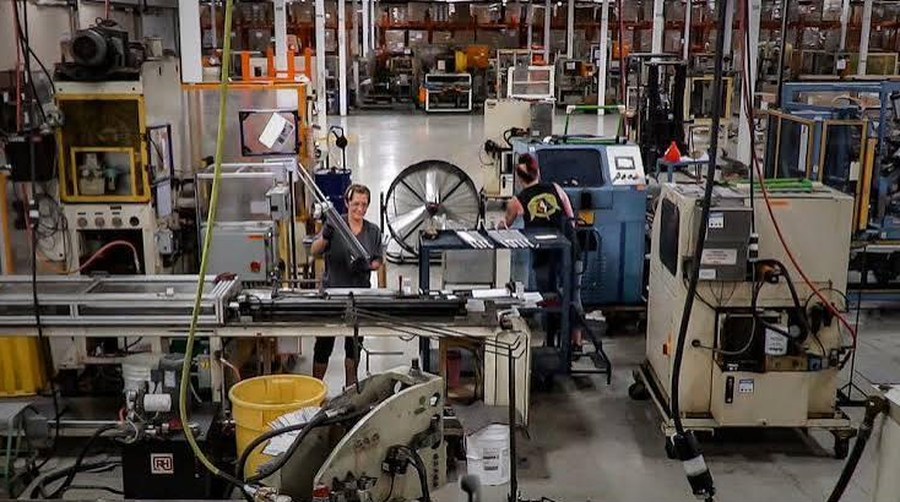 Plews & Edelmann · Illinois
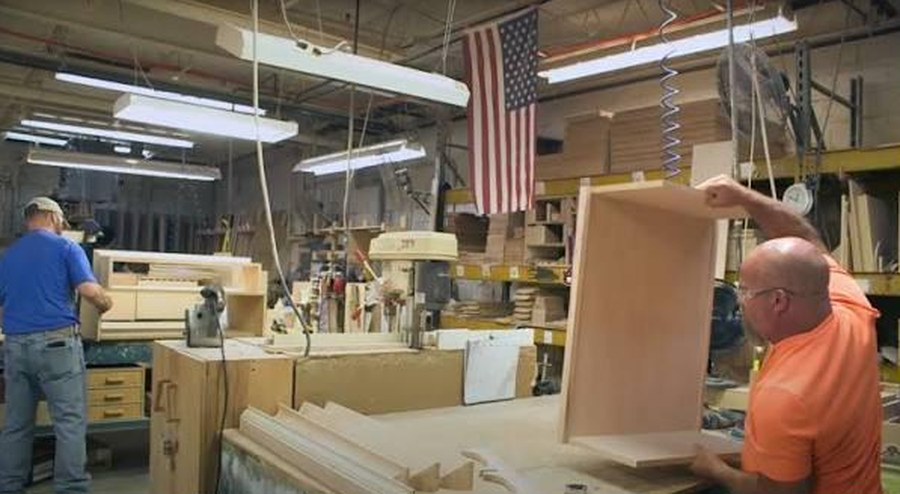 KCMA · Georgia
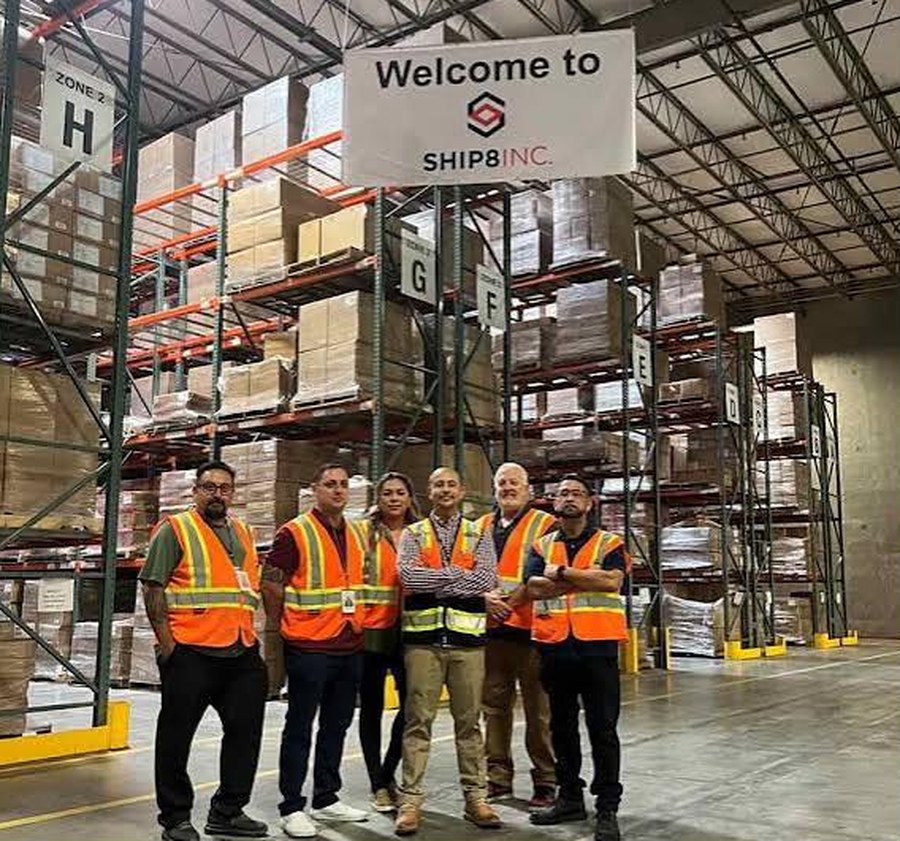 Ship8 · California
 Charlotte Pipe · North Carolina
 First Solar · Ohio
02
How companies cheat
Trade crime often involves falsifying customs declarations to conceal where goods originate, how they are classified, what a shipment contains or what it is worth.
The Uni-Tile case illustrates how multiple forms of deception can operate together.
- Entry No.
- EPS21326168
- Importer of record
- Santa Flo Commercial Inc.
- Shipment
- Three containers
6802.93.0025 (granite)
Why this document matters: CBP reconstructed what one entry actually contained from the importer’s own container statements, and DOJ set the declared and actual figures side by side in its complaint.
Source: DOJ civil complaint, September 2026. Allegations; not adjudicated.
Origin Fraud / Transshipment
In the broader Uni-Tile case, DOJ alleges Chinese goods were routed through Malaysia to conceal their true origin.
Misclassification
Quartz was allegedly included under artificial stone or granite instead of being separately declared under its higher-duty classification (6810.99.0010).
Concealing Cargo / Smuggling
DOJ alleges that adhesives were omitted from the customs declaration, concealing merchandise CBP identified in the three containers.
Undervaluation
Declared: $38,730. CBP reconstructed: $91,213. Less than half the assigned value was declared.
03
From unfair advantage to lasting harm
Evading duties allows bad actors to lower prices, increase margins and capture market share. Their gains fuel further expansion, while law-abiding American producers lose sales and the revenue needed to invest, sustain jobs and compete.
Years of compounding losses can inflict irreparable harm on those producers long before unpaid duties are recovered and penalties imposed.
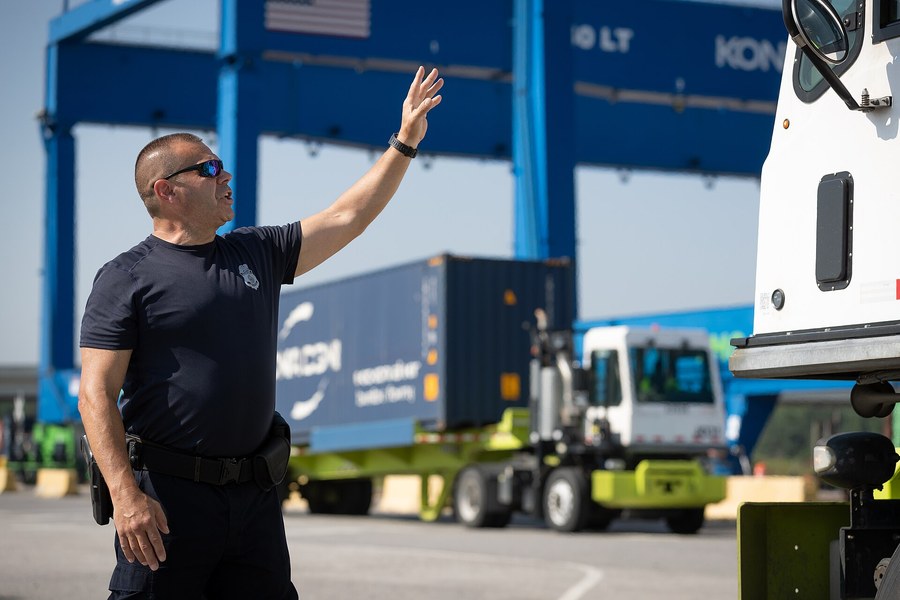 Port of Savannah · Georgia
Goods enter the U.S. unlawfully
More than 88,000 cargo containers enter U.S. ports every day.
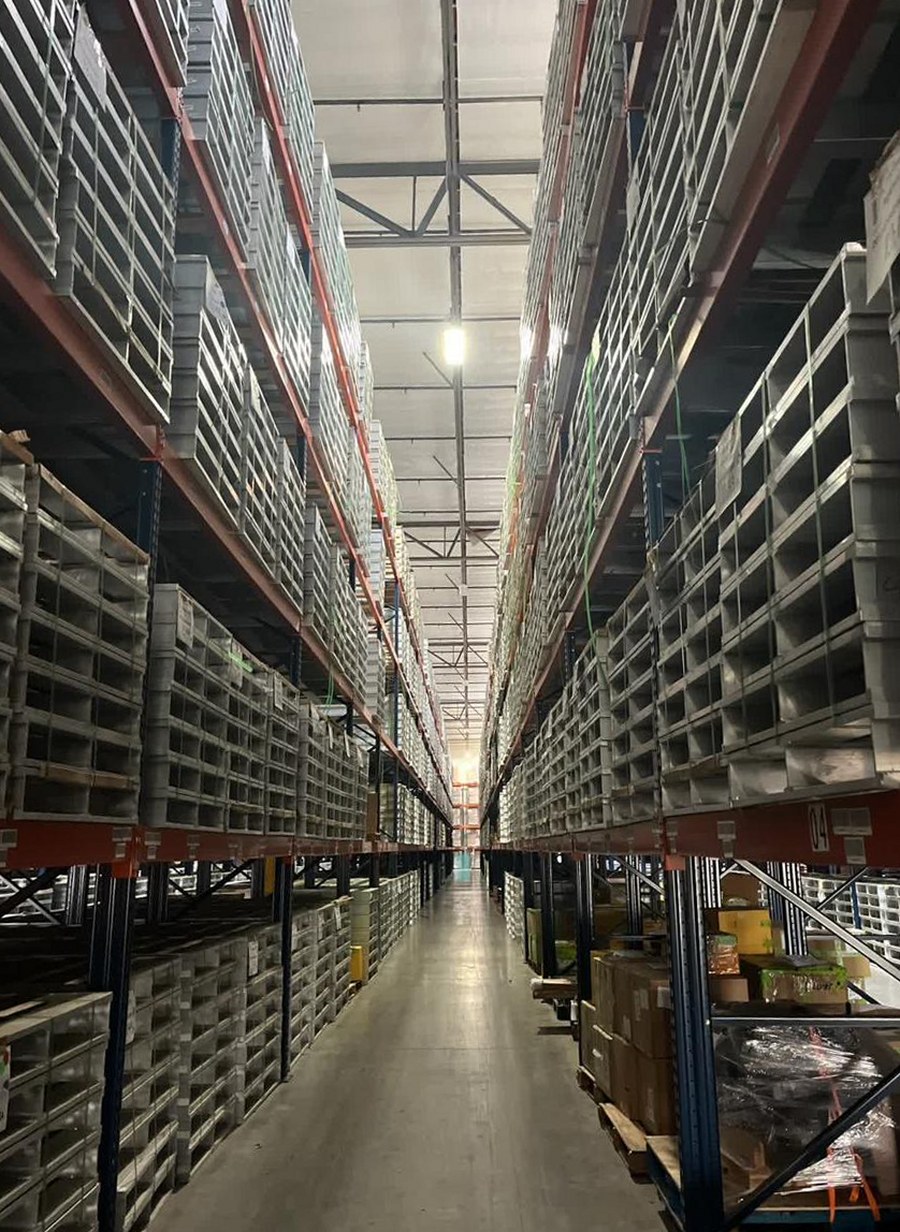 Perfectus Aluminum · California
Fraudulently imported goods capture market share
 Legacy Cabinets · Alabama
Sales decline, jobs disappear and American businesses weaken
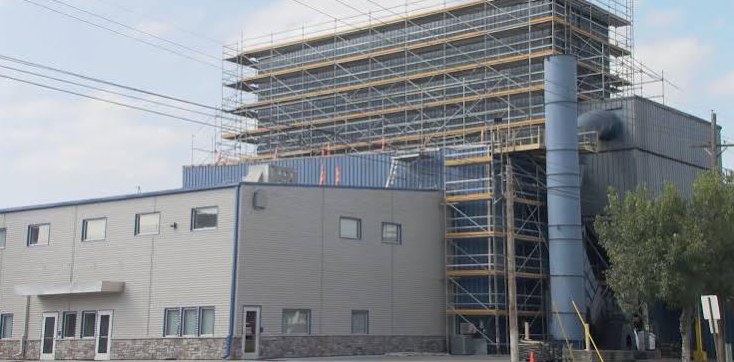 Neenah Foundry · Nebraska
Businesses close and U.S. productive capacity is lost
04
Why trade crime persists
For decades, loopholes in U.S. trade law and inadequate enforcement have left American industry exposed. The introduction of Section 301 and Section 232 tariffs in 2018 sharply increased the rewards of cheating.
Today, allegations sit in a queue, investigations struggle to gain traction, and even well-developed cases hit a wall when federal prosecutors decline to pursue them. When cases do advance, delay tactics, assets beyond U.S. reach and inadequate settlements weaken the consequences of enforcement.
The June 2026 Strengthening Customs Enforcement executive order called reform “long overdue,” acknowledging the need for both legislative and agency action.
U.S. trade laws only matter when they are enforced.
Average time from first documented conduct to reported resolution.