Press & Resources
Stay informed about the latest developments in trade enforcement, policy changes, and industry coverage
News articles and journalism about trade enforcement

China Is Squeezing Foreign Companies to Keep Their Supply Chains Close
The New York Times reports that China is increasingly pressuring foreign companies to maintain and deepen their supply chain ties within China, using a combination of regulatory hurdles, incentives, and implicit threats to discourage diversification away from Chinese manufacturing. As global firms attempt to reduce dependence on China amid rising tariffs and geopolitical tensions, Beijing is deploying new strategies to keep production anchored domestically, including tightening export controls on critical materials, offering subsidies to companies that expand Chinese operations, and creating bureaucratic obstacles for those seeking to relocate. The investigation reveals how these tactics complicate efforts by U.S. and allied companies to build more resilient, diversified supply chains and reduce vulnerability to trade disruptions.

'Definitely a Sham': As Tariffs Climb, Trade Fraud and Accounting Tricks Proliferate
The New York Times reports that as President Trump's tariffs on China climbed, the average value of products in shipping containers from China plunged nearly 40 percent — yet containers from elsewhere stayed flat. Experts say companies are using tactics ranging from legal accounting tricks to outright fraud to reduce declared import values and slash their tariff bills. The investigation reveals how firms route products through middlemen, hire Chinese shippers that illegally reduce shipment values, and exploit obscure regulations — all while U.S. enforcement struggles to keep pace with the proliferating schemes.
Tariff Fraud in US-China Trade
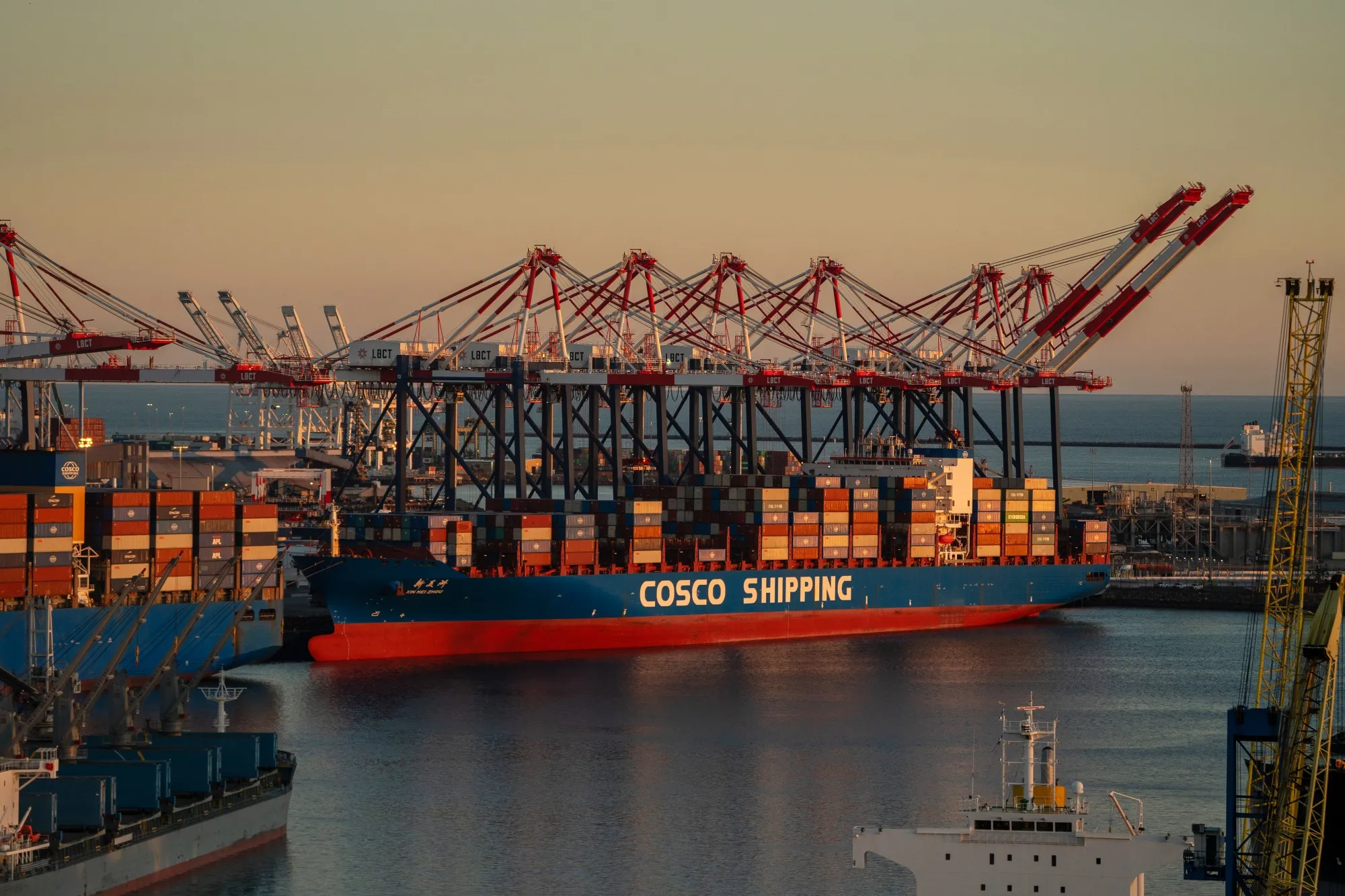
Bloomberg investigative newsletter examining the pervasive issue of tariff fraud in U.S.-China trade relationships. The report explores systematic schemes used to evade import duties, including undervaluation, misclassification, and country-of-origin manipulation. Analysis reveals how sophisticated fraud networks exploit gaps in customs enforcement, resulting in billions of dollars in lost revenue annually while creating unfair competitive advantages for fraudulent importers over legitimate American businesses. The investigation highlights the scale of the problem and examines both the methods used by bad actors and the enforcement challenges facing U.S. authorities in detecting and prosecuting these schemes.

China's $112 Billion Cargo Gap Shows Record US Tariff Evasion
Bloomberg investigative feature revealing a staggering $112 billion discrepancy in U.S.-China cargo data that exposes unprecedented levels of tariff evasion. The investigation uncovers systematic schemes where Chinese exporters are exploiting gaps in customs enforcement to circumvent U.S. tariffs on a massive scale. Through detailed analysis of shipping records and trade data, Bloomberg documents how sophisticated fraud networks use transshipment, undervaluation, and country-of-origin manipulation to evade billions in duties. The report highlights the urgent need for enhanced customs verification, improved international cooperation, and modernized enforcement mechanisms to combat this systematic erosion of U.S. trade policy.

How China plans to dominate global trade long after Trump
Reuters in-depth investigation revealing China's systematic strategy to reshape global trade and neutralize U.S. containment efforts through accelerating 20 free-trade agreements worldwide. The report exposes how Beijing is exploiting uncertainty created by Trump's tariffs to embed China's $19 trillion economy deeper into major economic blocs including the European Union, Gulf States, and the trans-Pacific trade pact. Through a comprehensive review of 100 Chinese-language policy papers from state-backed scholars, Reuters documents a systematic blueprint to reverse-engineer U.S. trade policy and break American leverage. The analysis reveals how Chinese advisers studied how Washington "weaponized" global institutions and are now applying those lessons to place China at the heart of a new multilateral order. The investigation highlights deals like the Canada agreement slashing tariffs on Chinese electric vehicles as part of a coordinated campaign to create dependencies that prevent decoupling. The report warns that China's $1.2 trillion trade surplus and concerns about overproduction complicate these ambitions, but Beijing views painful structural change as necessary for long-term dominance of global commerce.

The Chinese Factory That Opened in the U.S. and Clobbered Its Rivals
WSJ article examines how Fuyao Glass America, a Chinese glassmaking giant, set up operations in Ohio in a former GM plant, leading to the decimation of American competitors. U.S. manufacturer Vitro faces plant closure with 250 jobs at risk in Crestline, Ohio. Since 2019, Vitro has already shut down three auto-glass plants in Pennsylvania, Michigan, and Indiana—closures the company attributes to Chinese competition. The article presents a debate: Vitro and domestic manufacturers raise concerns about unfair competition, while others dismiss these claims. Central to the debate are allegations of illegal labor practices and money laundering at the Chinese facility. However, the article reveals uncertainty about the veracity of these allegations—a debate that illustrates the core enforcement problem. If enforcement moved quickly, investigations would resolve these questions promptly, but instead, years of inaction leave serious allegations unresolved while American plants close. The prolonged absence of swift investigation and enforcement allows the destruction of legitimate U.S. manufacturing to continue unabated, regardless of whether the allegations prove true.

Inside China's Rerouted Supply Chains
The Diplomat investigative analysis examining how Chinese manufacturers are systematically restructuring their supply chains to circumvent U.S. tariffs and trade restrictions. The report provides detailed insights into the mechanisms Chinese companies use to reroute production through third countries, establishing new manufacturing bases in Southeast Asia, Mexico, and other regions to disguise the true origin of goods. Through interviews with industry insiders and analysis of trade data, the investigation reveals sophisticated strategies including country-of-origin manipulation, transshipment operations, and the establishment of minimal processing facilities designed solely to evade tariffs. The article highlights the challenges facing U.S. customs enforcement in tracking these evolving supply chain networks and the urgent need for enhanced verification mechanisms and international cooperation to prevent systematic tariff evasion.

Thailand Emerges as Tariff Bypass Hub
Analysis reveals Thailand has emerged as a significant hub for companies seeking to bypass tariffs on Chinese goods. The report examines how businesses are using Thailand as an intermediary to reroute products and circumvent trade restrictions, highlighting the growing challenge of transshipment and country-of-origin manipulation in Southeast Asia.

China's Automotive Market Deemed Existential Threat, With Worries Washington Can't Count on EU for Help
Comprehensive strategic analysis examining China's automotive industry as an existential threat to Western manufacturers, highlighting how massive government state subsidies and deliberate industrial overcapacity have enabled Chinese automakers to dominate global electric vehicle markets at artificially low prices that undercut fair competition. The report expresses serious concerns that the European Union may not align with U.S. efforts to counter Chinese dominance in the electric vehicle and automotive sectors, as European nations face intense economic pressure to maintain trade ties with China despite growing security concerns. This transatlantic misalignment could fatally undermine coordinated Western efforts to preserve automotive industrial capacity, technological leadership, and supply chain independence. The analysis details how Chinese EV manufacturers benefit from subsidies estimated at over $200 billion, enabling them to sell vehicles below production cost while forcing Western competitors out of business. It examines the strategic vulnerability this creates as Western nations become dependent on Chinese supply chains for the transportation infrastructure of the future, and warns that without urgent coordinated action, the automotive industry will follow the same trajectory as solar manufacturing, with devastating consequences for jobs, innovation, and national security.

Are Vietnam and Thailand Helping China Dodge US Tariffs?
In-depth investigation examining whether Vietnam and Thailand are being used as transshipment hubs to help Chinese exporters illegally circumvent U.S. tariffs through sophisticated country-of-origin laundering schemes. The analysis reviews suspicious trade flow patterns showing dramatic increases in exports from these Southeast Asian nations that correlate directly with U.S. tariff implementations on Chinese goods. The investigation details the mechanisms used to disguise the true origin of Chinese goods, including the establishment of shell companies, minimal processing operations, and false documentation. The report highlights how border cities have become bustling trade hubs primarily focused on repackaging and relabeling Chinese products for export to the United States. The investigation provides specific data on export surges in key product categories, interviews with logistics operators who describe the ease of obtaining fraudulent certificates of origin, and documents how Chinese manufacturers maintain control over these operations while creating plausible deniability. Trade experts quoted in the piece estimate that billions of dollars in Chinese goods are being successfully routed through these countries to evade U.S. tariffs, with current enforcement mechanisms proving largely ineffective at detecting these sophisticated schemes.
CBP Warns of Rising Illegal Transshipment Schemes
Washington Trade & Tariff Letter reports on a CBP alert warning of a marked increase in illegal transshipment schemes designed to evade U.S. trade enforcement. Foreign exporters and U.S. importers are increasingly routing goods through third countries to disguise their true origin and avoid antidumping and countervailing duties, Section 301 and Section 232 tariffs, and other trade restrictions. CBP reports undervaluation discrepancies of 70% or more in recent enforcement actions, suggesting deliberate fraud. The agency has intensified targeting operations, expanded supply-chain audits, and is using its authority under the Enforce and Protect Act to investigate evasion schemes. Penalties include substantial fines, seizure of goods, loss of import privileges, and potential criminal charges.

Vietnam: Where Chinese goods go to be redirected to the US
Comprehensive field investigation revealing how Donald Trump's tariff barriers on Chinese goods are being systematically circumvented through Vietnam, with the border city of Mong Cai emerging as a central hub for tariff evasion operations. The detailed reporting shows Chinese trucks crossing the border daily loaded with finished goods that are quickly relabeled as "Made in Vietnam" with minimal or no actual processing. The investigation documents how supply chains are being deliberately rerouted through Southeast Asia to avoid U.S. tariffs, featuring interviews with logistics operators and business owners who openly discuss the practice. The article demonstrates the relative ease with which Trump's trade barriers can be evaded and raises serious questions about the effectiveness of current enforcement mechanisms in detecting these sophisticated transshipment schemes. Reporters document warehouses and processing facilities established solely for the purpose of repackaging Chinese goods, describe how fraudulent origin certificates are routinely obtained from corrupt local officials, and reveal the complicity of Vietnamese businesses that profit from facilitating these schemes. The investigation exposes fundamental weaknesses in the rules-of-origin verification system and highlights the enormous challenge customs authorities face in distinguishing legitimately Vietnamese-made products from Chinese goods that have undergone superficial processing.

DOJ Signals Coming Surge in Criminal Tariff Evasion Enforcement
The Department of Justice has announced a significant and unprecedented increase in criminal enforcement specifically targeting tariff evasion schemes, marking a major shift in trade enforcement policy. This comprehensive legal alert from international law firm Akin Gump details the serious implications for importers, including heightened risk of criminal prosecution, substantial fines, and potential prison sentences for executives involved in customs fraud. The analysis examines the DOJ's new approach of treating tariff evasion as a criminal matter rather than merely a civil violation, the formation of specialized task forces, and the heightened scrutiny on customs compliance programs. Companies are advised to conduct immediate internal audits of their import practices and strengthen compliance measures to avoid prosecution. The alert provides detailed guidance on specific red flags that trigger DOJ investigations, explains how prosecutors are building cases using wire fraud and conspiracy statutes in addition to customs violations, and outlines the aggressive investigative techniques including cooperating witnesses and financial forensics being deployed. Legal experts warn that the shift from civil penalties to criminal prosecution represents a fundamental change in enforcement philosophy that dramatically raises the stakes for companies and individuals involved in import operations, with potential consequences including lengthy prison terms, substantial monetary penalties, and permanent reputational damage.

China's Exports Rebound in November
Chinese exports showed unexpected renewed strength in November, rebounding sharply from previous monthly declines as manufacturers strategically rushed shipments ahead of anticipated tariff increases under the incoming U.S. administration. The Wall Street Journal analysis reveals that Chinese exporters accelerated production and shipping schedules in a coordinated effort to frontload goods into the United States before potential new trade restrictions take effect. The surge in exports suggests that Chinese companies are adapting their strategies to navigate the uncertain trade environment, potentially stockpiling goods in U.S. warehouses and distribution centers. Economists warn that this export surge may artificially inflate short-term trade figures while masking underlying structural challenges in U.S.-China trade relations. The analysis examines specific product categories experiencing the most dramatic export acceleration, provides data on shipping container rates and port congestion reflecting the rush, and explores how this frontloading strategy could enable Chinese exporters to maintain market presence even after new tariffs are implemented. Trade experts note that this pattern of anticipatory shipping has been observed before previous tariff implementations, with goods warehoused in the U.S. continuing to enter commerce months after duties would have applied, effectively extending the window for tariff avoidance.

China's Economy Is in Serious Trouble. That's Bad for Everyone.
Comprehensive opinion analysis examining China's mounting economic challenges and their profound global implications, with particular focus on persistent deflation, massive industrial overcapacity, and the troubling phenomenon of "neijuan" (involution) that characterizes China's current economic malaise. The piece explains how China's export-dependent growth model is creating destructive competitive dynamics, with Chinese manufacturers flooding global markets with artificially cheap goods produced by excess capacity funded through non-market state subsidies. The analysis warns that China's economic distress poses serious risks to the global economy through deflationary pressures, trade distortions, and the potential for increased geopolitical tensions as Beijing seeks to export its way out of domestic economic problems at the expense of manufacturing jobs and industrial capacity in other nations. The article details how Chinese companies trapped in brutal domestic competition are increasingly turning to export markets as an escape valve, dumping products abroad at prices below production costs to maintain operations and employment. It examines the political dynamics preventing Chinese authorities from implementing necessary structural reforms, explains why this export dumping will likely intensify rather than abate, and discusses the implications for Western manufacturers who face an unprecedented wave of subsidized Chinese imports. The analysis is essential for understanding why trade enforcement has become even more critical as China's domestic economic problems drive more aggressive export strategies.

Whirlpool Tells U.S. Authorities Its Rivals Could Be Evading Tariffs
Major American appliance manufacturer Whirlpool Corp. has formally notified U.S. trade authorities that some of its competitors may be systematically evading tariffs on imported appliances through sophisticated schemes including transshipment, misclassification, and undervaluation. The Wall Street Journal report highlights how this complaint represents broader ongoing concerns about inadequate trade enforcement in the highly competitive home appliance industry, where American manufacturers face intense pressure from imports that may be illegally avoiding duties. Whirlpool's allegations include specific evidence of suspicious trade patterns and import documentation discrepancies that suggest coordinated tariff evasion. The case underscores how even large domestic manufacturers struggle to compete on a level playing field when enforcement mechanisms fail to detect and punish customs fraud. The complaint details how foreign manufacturers appear to be routing appliances through third countries to avoid anti-dumping duties, using fraudulent country-of-origin declarations, and systematically undervaluing products on customs paperwork. Whirlpool executives argue that despite investing billions in domestic manufacturing capacity and employing thousands of American workers, they cannot compete against rivals who illegally avoid paying duties. The article examines the company's multi-year effort to alert authorities to these violations, the frustratingly slow pace of investigations, and the competitive harm inflicted on law-abiding manufacturers while enforcement agencies struggle to address these complex schemes.
Illegal Transshipment, Double Invoicing and Misclassification in US Government's Crosshairs
Global Trade Review reports on the U.S. government's intensified crackdown on customs fraud, targeting illegal transshipment, double invoicing, and misclassification of goods. CBP uncovered more than $400 million in unpaid trade duties including $250 million in evaded antidumping and countervailing duties through investigations of 23 U.S. importers linked to Chinese shell companies routing goods through Indonesia, South Korea, and Vietnam. The article examines the growing use of the False Claims Act in customs fraud cases, with more than 40 FCA cases resolved since 2011 and nearly half occurring since 2023. Legal experts warn that as tariffs rise, so do incentives for fraud schemes like dual invoicing and misrepresentation of country of origin.
Standing Up to China's Tariff Evasion
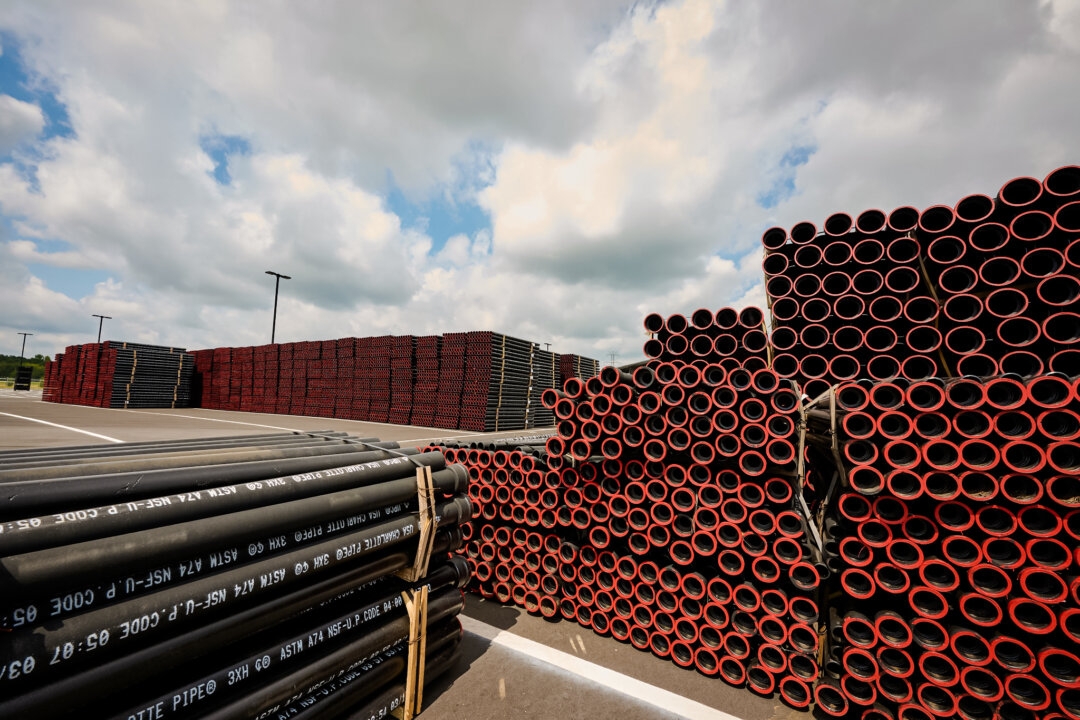
In-depth analysis examining ongoing efforts by U.S. companies and government agencies to combat pervasive Chinese tariff evasion schemes that are devastating American manufacturing. The article details the formidable challenges facing under-resourced U.S. enforcement agencies in detecting and preventing increasingly sophisticated trade fraud operations that cost the U.S. economy billions in lost revenue and thousands of manufacturing jobs. The piece profiles American manufacturers who have taken the difficult step of filing formal complaints with Customs and Border Protection, documenting the extensive evidence required and the frustratingly slow pace of investigations. The analysis highlights systemic weaknesses in the current enforcement framework, including inadequate staffing, outdated technology systems, and insufficient penalties that fail to deter repeat offenders. The article provides compelling narratives of small and medium-sized manufacturers who have invested years gathering evidence of competitors' illegal activities, only to face bureaucratic delays and limited agency responsiveness. It examines the emotional and financial toll on business owners who watch helplessly as their market share erodes to fraudulent competitors while awaiting government action. The piece details specific evasion tactics including the use of multiple shell companies, rotation of import identities, and exploitation of the de minimis exemption, while explaining why current enforcement resources cannot keep pace with the volume and sophistication of violations.

Tariff Enforcement Will Hit Canada, EU Companies Hardest
Comprehensive Bloomberg Law analysis reveals that enhanced tariff enforcement measures and new compliance requirements will disproportionately impact Canadian and European Union companies operating in the U.S. market, contrary to common assumptions that enforcement efforts primarily target Chinese importers. The report examines how historical patterns of lax enforcement created widespread non-compliance among Western companies that incorrectly assumed their lower risk profile would shield them from scrutiny. As customs authorities implement more rigorous auditing procedures, automated verification systems, and data analytics tools, many Canadian and EU companies are discovering significant vulnerabilities in their import compliance programs. Legal experts quoted in the analysis warn that companies from allied nations may face substantial penalties, back duties, and reputational damage as enforcement priorities shift toward systematic compliance verification rather than country-specific targeting. The analysis provides detailed examination of common compliance failures among Western companies including inadequate recordkeeping, improper tariff classifications, valuation errors, and failure to properly claim trade preferences under free trade agreements. It explains how the shift toward data-driven enforcement using artificial intelligence and machine learning algorithms will identify patterns of non-compliance that previously went undetected. Trade attorneys advise that Canadian and EU companies should immediately audit their customs operations, remediate historical violations through voluntary disclosures, and implement robust compliance programs to avoid substantial financial and legal consequences.

China Intensifies War on Toxic Competition as Economy Suffers
China is intensifying its crackdown on what Beijing officially labels as "toxic competition" and predatory pricing among domestic industries as its economy faces increasingly severe mounting pressures from escalating international trade disputes, massive industrial overcapacity, deflationary forces, and deep-seated internal structural challenges. This Caixin Global investigation reveals how Chinese authorities are attempting to address the destructive race-to-the-bottom dynamics where manufacturers slash prices below production costs to maintain market share, creating a vicious cycle of losses, bankruptcies, and economic instability. The phenomenon of "neijuan" (involution) has become pervasive across Chinese industry, with companies engaging in self-destructive competitive behavior that erodes profitability while flooding global markets with artificially cheap goods. Paradoxically, Beijing's campaign against domestic toxic competition may intensify export dumping as manufacturers seek overseas markets to escape brutal domestic price wars. The investigation documents how state-directed industrial policies created massive overcapacity across multiple sectors including steel, aluminum, solar panels, electric vehicles, and consumer electronics, with production capability far exceeding domestic demand. It examines how political pressure to maintain employment and social stability prevents necessary capacity reduction, forcing companies to compete ever more aggressively for declining market share. The analysis reveals how this domestic dysfunction translates directly into export market disruption, as Chinese companies dump products abroad at unsustainable prices to keep factories running and workers employed. Foreign manufacturers describe facing an unprecedented flood of Chinese goods sold below cost, enabled by state bank financing that would be impossible in market economies.

Battling Tariff Fraud Is a Little-Known Front in Trump's Trade War
The Department of Justice is intensifying efforts to combat tariff fraud as a critical but often overlooked front in the Trump administration's trade war with China. The article reveals how the DOJ plans to aggressively pursue companies and individuals who attempt to evade tariffs through various fraudulent schemes, including transshipment, misclassification, and undervaluation of imported goods. Trade lawyers report a significant surge in inquiries as businesses face heightened scrutiny and enforcement actions. The reporting details how federal prosecutors are building cases against importers using sophisticated investigative techniques and signals a major shift toward treating tariff evasion as serious criminal fraud rather than merely civil violations. This increased enforcement represents a fundamental change in how the government addresses trade compliance, with potential criminal consequences including substantial fines and imprisonment for executives involved in customs fraud schemes.

White-Collar and Criminal Law/DOJ Frauds Unit Tasked with Pursuing Evasion of Trump Tariffs
The Department of Justice has tasked its elite white-collar fraud unit with aggressively pursuing criminal cases against companies and executives that evade Trump-era tariffs, marking a dramatic and significant escalation in federal trade enforcement efforts. This Bloomberg Law exclusive reveals the DOJ's strategic decision to treat tariff evasion as serious criminal fraud rather than merely civil violations, bringing to bear the full weight of federal criminal prosecution powers including lengthy prison sentences, substantial fines, and asset forfeitures. The shift represents a fundamental change in enforcement philosophy, with federal prosecutors now building complex criminal conspiracy cases using wire fraud statutes, money laundering charges, and customs violations. Legal experts warn that corporate executives involved in customs compliance face unprecedented personal criminal liability exposure, as the DOJ signals its intent to hold individuals accountable for trade fraud schemes. The article details how the DOJ's fraud section is recruiting prosecutors with expertise in complex financial crimes and international investigations to focus specifically on tariff evasion, establishing dedicated task forces and developing specialized expertise in trade fraud patterns. It explains how prosecutors are using sophisticated investigative tools including wiretaps, financial forensics, cooperating witnesses, and international evidence gathering to build criminal cases. Trade attorneys quoted in the piece emphasize that this represents a paradigm shift from the previous civil enforcement model, with executives now facing genuine risk of federal prison time rather than just corporate fines. The reporting underscores how companies can no longer view customs compliance as a low-risk area where violations result in modest penalties.

Trump Tariffs Face New Challenge: Trade Crime Enforcement
The Trump administration's ambitious tariff policies face severe and significant enforcement challenges as sophisticated international trade crime schemes proliferate and evolve faster than government agencies can adapt, fundamentally testing the limits of current customs enforcement infrastructure and regulatory frameworks. This New York Times investigation reveals how criminal enterprises and corporate actors have quickly developed elaborate methods to circumvent tariffs, including complex multi-country transshipment routes, advanced falsification of documentation, and exploitation of systemic weaknesses in customs verification procedures. Current Customs and Border Protection resources are stretched dangerously thin, with fewer than 1,000 field agents responsible for monitoring trillions of dollars in annual imports across hundreds of ports of entry. The article examines whether tariff policies can achieve their intended economic objectives when enforcement capabilities lag so far behind the sophistication of evasion tactics. The investigation provides startling statistics on the enforcement resource deficit, revealing that CBP has one import specialist for every $4 billion in annual imports, making comprehensive verification impossible. It documents how criminal networks have industrialized tariff evasion, establishing permanent infrastructures for fraud including networks of shell companies, corrupted officials in transshipment countries, and sophisticated document forgery operations. The piece interviews customs officials who describe feeling overwhelmed and outmatched, manufacturers who have given up hope of fair competition, and trade experts who warn that without massive investment in enforcement capabilities, tariff policies will remain largely symbolic rather than effective in protecting American industry.

Trump Has Imposed a Lot of Tariffs. But Here's Why Collecting Them Can Be Hard
NPR investigates the practical challenges of collecting Trump's tariffs on imported goods, revealing how the agencies responsible for screening imports are frequently overwhelmed and understaffed. This comprehensive report examines the significant gap between tariff policy announcements and actual enforcement capabilities, exposing how Customs and Border Protection and other enforcement agencies lack sufficient resources to effectively verify and collect duties on the massive volume of imports flowing into the United States. The investigation documents systematic resource constraints and operational challenges that enable widespread tariff evasion to persist even as the administration imposes new duties. Customs officials describe being stretched impossibly thin, with inadequate staffing levels to conduct thorough inspections or investigate suspicious import patterns. The piece explores how sophisticated importers exploit these weaknesses through undervaluation schemes, misclassification, and country-of-origin fraud, confident that understaffed agencies cannot catch more than a small fraction of violations. Industry experts and former enforcement officials warn that without massive investment in personnel, technology, and inspection infrastructure, tariff policies will generate far less revenue than projected while failing to protect American manufacturers from unfair competition. The report raises fundamental questions about whether aggressive tariff policies can succeed when the government lacks the capacity to enforce them.

China-US Exporters Undervalue Cargo, Dodge US Tariffs
Explosive CNBC investigation reveals systematic and widespread undervaluation of Chinese exports to the United States as companies deliberately seek to avoid paying billions in higher tariffs imposed during the escalating trade war. The investigative report documents how Chinese exporters are falsifying commercial invoices and customs declarations to dramatically understate the true value of goods, sometimes claiming products are worth only a fraction of their actual market price. This scheme allows importers to pay duties calculated on fraudulently low declared values rather than true transaction prices. The investigation includes interviews with customs brokers, trade data analysis showing suspicious pricing patterns, and examples of identical products declared at wildly different values. Industry experts estimate undervaluation schemes cost the U.S. Treasury tens of billions in annual lost revenue while giving fraudulent importers massive price advantages over honest competitors. The report provides detailed case studies showing identical products from the same manufacturers declared at values differing by 50% or more depending on the importer, clear evidence of systematic fraud. It examines the sophisticated methods used to create plausible-looking false documentation including dual invoicing systems, transfer pricing manipulation, and coordination between Chinese exporters and U.S. importers to split the illicit savings from evaded duties. Customs experts interviewed for the piece explain how resource constraints prevent CBP from verifying more than a tiny fraction of declared values, creating a low-risk environment for fraud where the potential savings dwarf the small chance of detection and modest penalties if caught.
China-US Tariff Dodging: Transshipment Under Trump
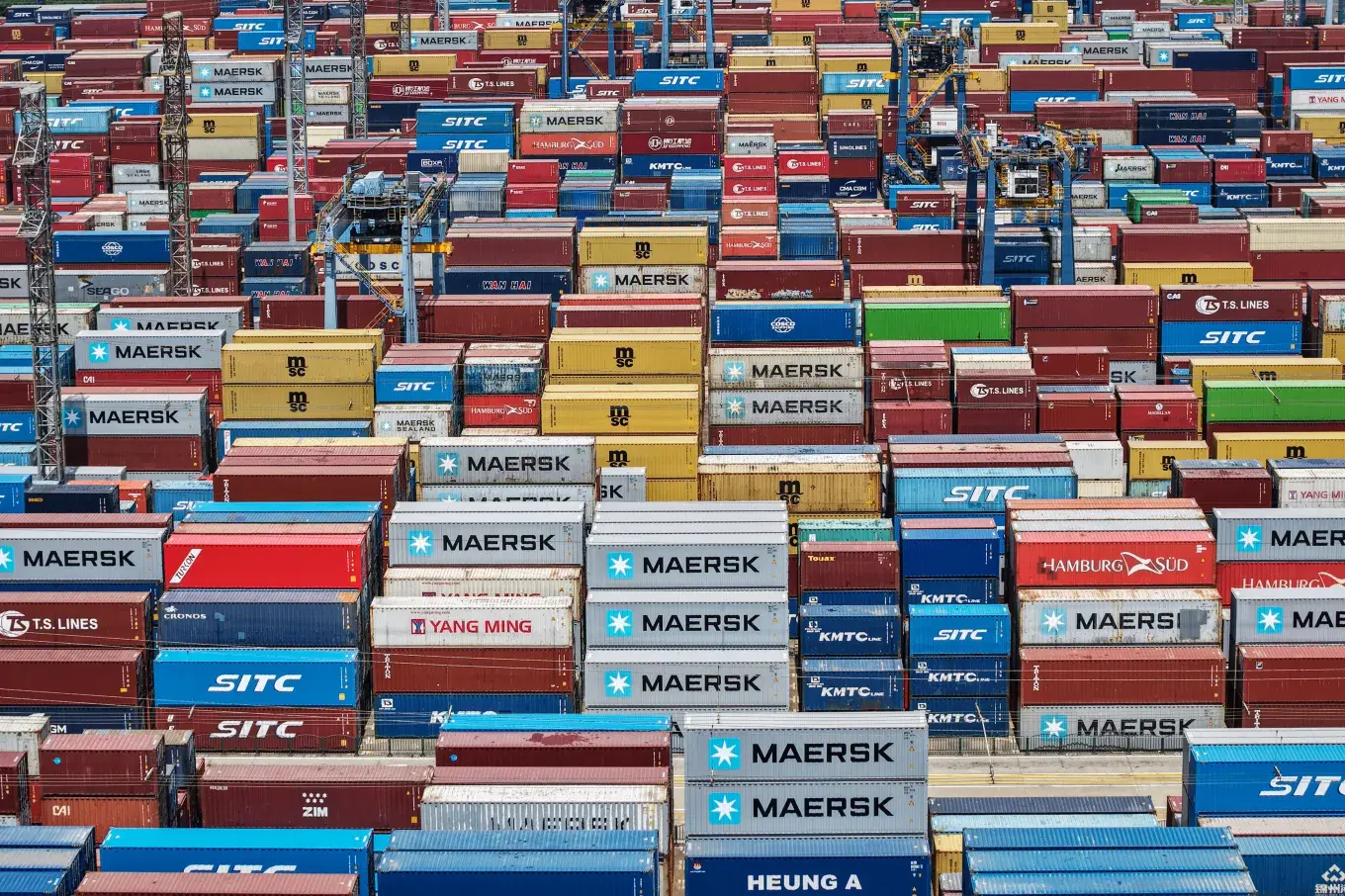
Detailed investigative analysis revealing how Chinese companies continue to successfully dodge U.S. tariffs through increasingly sophisticated and elaborate transshipment schemes routed through third countries, despite the Trump administration's stated commitment to increased enforcement efforts. The investigation documents specific cases of Chinese goods being routed through Vietnam, Malaysia, Thailand, and other Southeast Asian nations where they receive false country-of-origin certifications through shell companies and minimal processing operations. The article highlights the enormous scale of the problem, with trade data showing suspicious export surges from transshipment countries that directly correlate with U.S. tariff implementations. Experts interviewed for the piece warn that current enforcement resources are woefully inadequate to combat these sophisticated evasion schemes. The investigation traces money flows and corporate ownership structures linking ostensibly independent foreign companies back to Chinese parent entities, examines customs data showing improbable trade patterns, and interviews American manufacturers who provide detailed evidence of competitors importing identical products through transshipment routes at impossibly low declared values. Trade lawyers and customs experts describe the schemes as blatant yet difficult to prosecute due to resource constraints and jurisdictional challenges. The piece underscores the fundamental mismatch between the sophistication and scale of evasion operations and the limited enforcement capabilities available to detect and punish violators.

Trade War/Trump Tariffs/Shell Game: How Chinese Firms Dodge U.S. Tariffs
Chinese companies are deploying increasingly sophisticated and elaborate methods to systematically circumvent U.S. tariffs, including establishing networks of shell companies with no genuine business operations, creating complex multi-layered routing schemes that pass goods through multiple third countries to obscure origins, and using foreign front companies nominally owned by local nationals but actually controlled by Chinese entities. This Nikkei Asia exposé reveals the intricate web of corporate structures designed specifically to evade customs enforcement, featuring Vietnamese, Malaysian, and Thai companies that exist primarily on paper while serving as pass-throughs for Chinese goods. The investigation documents how Chinese manufacturers maintain tight control over these foreign shell entities through informal agreements, shared ownership structures, and management control while maintaining plausible deniability. U.S. customs officials describe these schemes as resembling sophisticated money laundering operations adapted for trade fraud purposes. The exposé provides detailed case studies of specific shell company networks, tracing ownership through layers of holding companies and nominees back to Chinese parent entities. It documents how these operations maintain minimal physical presence in transshipment countries just sufficient to generate paperwork claiming local production, while actual manufacturing occurs entirely in China. Investigators interviewed describe finding warehouses registered as factories with no production equipment, companies with dozens of employees on paper but empty offices in reality, and export volumes physically impossible given claimed production capacity. The piece reveals how shell company operators coordinate closely with corrupt local officials to obtain authentic-looking origin certificates, business licenses, and other documentation that provides veneer of legitimacy while actual operations consist purely of repackaging and relabeling Chinese goods for export to the United States.

World Report: China's Formidable Logistics Sector Challenges Trump Tariff Enforcers
China's extraordinarily sophisticated, technologically advanced, and globally integrated logistics networks and supply chain infrastructure present formidable and perhaps insurmountable challenges for U.S. tariff enforcement authorities attempting to track the true origin of goods. This Nikkei Asia investigation examines how Chinese logistics companies have developed elaborate capabilities including multiple transshipment hubs across Southeast Asia, advanced digital tracking systems that can be manipulated, close integration with foreign free trade zones, and seamless coordination between manufacturers, freight forwarders, and customs brokers to disguise product origins. The complex multi-country supply chain routing makes it extraordinarily difficult for U.S. customs officials to definitively determine whether products claiming to be made in Vietnam, Thailand, or Malaysia actually originated in China. Chinese logistics giants have essentially weaponized supply chain complexity to enable tariff evasion at industrial scale. The investigation reveals how state-backed Chinese logistics companies like SF Express and COSCO have established permanent infrastructure specifically designed to facilitate transshipment and origin laundering, including dedicated warehouses, processing facilities, and documentation services in Southeast Asian countries. It examines how these companies leverage sophisticated software systems to route goods through multiple jurisdictions, automatically generating country-of-origin certificates and customs paperwork that appear legitimate but misrepresent actual manufacturing locations. The piece documents how Chinese logistics firms maintain close relationships with local officials in transshipment countries, ensuring smooth processing of fraudulent documentation. Trade enforcement experts interviewed describe feeling outmatched by the resources and sophistication Chinese companies bring to evasion operations, with logistics capabilities that allow goods to be rerouted in real-time based on enforcement patterns.

Americas Trade Hawks Fear the Gaps in Trumps Tariff Wall
The Economist examines how trade policy experts and enforcement advocates increasingly warn that critical gaps and vulnerabilities in the U.S. tariff enforcement system are allowing vast quantities of Chinese goods to illegally enter the American market without paying proper duties, fundamentally undermining the intended effects of the tariff policy. The analysis identifies specific enforcement weaknesses including the de minimis exemption for packages under $800, inadequate customs staffing and technology infrastructure, slow investigation and penalty processes, and the ease of establishing transshipment routes through third countries. Trade hawks argue these systemic gaps render tariffs largely ineffective as Chinese imports continue flooding U.S. markets through evasion schemes, with enforcement resources too limited to meaningfully deter violations or protect domestic manufacturers from illegal imports. The article provides detailed analysis of how the de minimis loophole has been weaponized, with Chinese e-commerce platforms shipping billions of dollars in goods through this exemption by deliberately fragmenting shipments into packages just under the $800 threshold. It examines how outdated CBP information systems cannot effectively track imports across multiple entries to identify patterns of evasion, how transshipment operations have industrialized to provide turnkey tariff avoidance services, and how the glacial pace of enforcement actions means violators profit for years before facing consequences. Trade policy experts quoted argue that these gaps make a mockery of tariff policy, as sophisticated evaders easily circumvent duties while unsophisticated or honest importers pay full freight, creating perverse incentives that reward fraud.

US Firms Demand Crackdown Tariff Evaders Chinese Importers
American companies across multiple industries are urgently calling for dramatically stronger enforcement action against Chinese importers who systematically evade tariffs through fraudulent schemes, arguing forcefully that chronically weak enforcement fundamentally undermines fair competition and threatens the survival of domestic manufacturers. The Reuters report features interviews with U.S. business owners who provide detailed evidence of competitors importing identical products at impossibly low declared values, using false certificates of origin, and routing goods through third countries to avoid duties. These American manufacturers emphasize that they cannot compete against rivals who illegally avoid paying tens of thousands or millions in tariffs while they play by the rules. Industry coalitions are demanding increased CBP resources, faster investigations, harsher penalties including criminal prosecution, and mandatory supply chain verification to level the playing field. The article documents specific examples of American companies losing major contracts because competitors using tariff evasion can undercut their prices by 20-30%, margins that reflect the duties being illegally avoided. Manufacturers describe the demoralizing experience of investing in quality products, worker training, and regulatory compliance only to watch market share erode to fraudulent competitors who face no consequences. Industry representatives argue that without swift, visible enforcement that deters future violations, domestic manufacturing will continue to decline as companies conclude that following the law puts them at an insurmountable competitive disadvantage. The report captures the growing frustration among U.S. manufacturers who feel abandoned by enforcement agencies that lack the resources and urgency to protect American businesses from predatory trade fraud.
U.S. Imports from China Have Fallen by Less Than U.S. Data Indicate
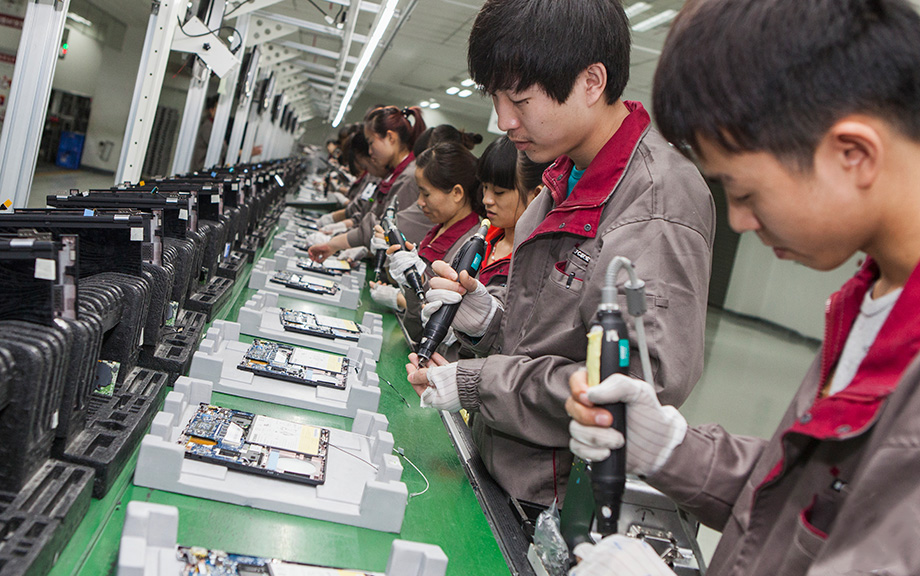
Federal Reserve Bank of New York research reveals that U.S. imports from China have decreased by far less than official U.S. statistics suggest. While U.S. data shows China's import share falling from 21.6% to 13.4% between 2018 and 2024, China's own data shows only a 2.5 percentage point decline. The analysis identifies more than $100 billion in "missing imports" attributable to China, driven by underinvoicing to reduce tariff duties, fictitious Chinese export declarations for tax rebate benefits, and the explosive growth of de minimis shipments that bypass tariffs entirely. The research estimates that de minimis imports from China likely exceeded $50 billion last year, trade that is largely absent from U.S. import statistics. The findings demonstrate how large tariff increases have contributed to massive distortions in trade data caused by private sector efforts to avoid customs duties, and suggest that the economic impact of recent tariff increases on U.S. consumers could be significantly larger than official data implies.
Americas Blind Spot: How Failing Trade Enforcement Strengthens Beijing
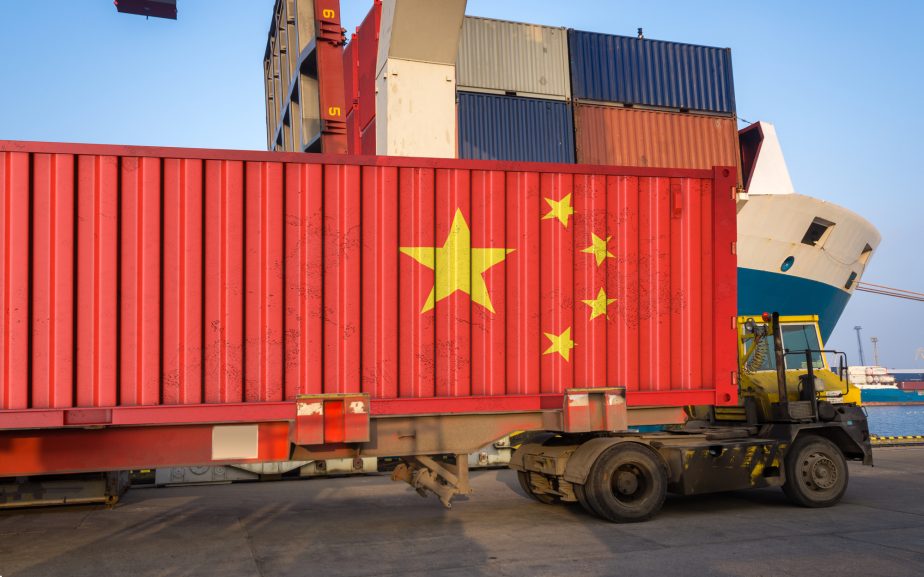
Strategic analysis examining how chronic inadequate trade enforcement by under-resourced and overwhelmed U.S. agencies inadvertently strengthens China's economic and geopolitical position while systematically undermining stated American trade policy objectives and national security interests. The Diplomat article argues that weak enforcement represents America's critical blind spot in strategic competition with China, as Beijing exploits enforcement gaps to maintain its export-driven economic model despite U.S. tariffs ostensibly designed to rebalance trade. The piece details how Chinese manufacturers and trading companies have adapted quickly to evade enforcement through transshipment schemes and falsified documentation, while U.S. customs authorities lack the resources, technology, and legal tools to effectively counter these sophisticated operations. This enforcement failure allows China to continue subsidizing industrial overcapacity, dumping products in U.S. markets, and hollowing out American manufacturing capabilities. The analysis examines how China's government actively supports evasion operations through state-backed logistics networks, provides intelligence on enforcement patterns to help companies avoid detection, and shields violators from consequences through diplomatic pressure and legal obfuscation. It argues that every dollar of tariffs evaded represents not just lost revenue but a direct subsidy to China's industrial policy goals and a transfer of wealth that strengthens Beijing's hand in strategic competition. The piece contends that policymakers who focus on tariff rates while ignoring enforcement are missing the forest for the trees, as sophisticated evasion has rendered nominal tariff levels largely meaningless. It calls for recognizing trade enforcement as a core national security function deserving of resources commensurate with the strategic threat.

Why Economists Got Free Trade With China So Wrong
Critical examination of how mainstream economists catastrophically failed to predict the devastating and long-lasting impact of rapidly increased trade with China on American workers, families, and entire manufacturing communities, and why their theoretical economic models were fundamentally flawed and disconnected from real-world outcomes. The NPR investigation features interviews with economists who now acknowledge the profession's significant errors, including underestimating the speed and scale of Chinese import penetration, overestimating workers' ability to transition to new industries, and failing to account for China's non-market practices like massive state subsidies and currency manipulation. The piece examines how economists' ideological commitment to free trade theory blinded them to empirical evidence of harm, and how their faulty predictions influenced policymakers to pursue trade liberalization that inflicted enormous costs on working-class Americans while concentrating gains among corporate elites and financial sector. The investigation traces how economic models used to justify China's WTO accession assumed trade would be relatively balanced and that any job losses would be offset by gains elsewhere in the economy, assumptions that proved catastrophically wrong. It examines how leading economists dismissed concerns about adjustment costs as protectionist hysteria, assured policymakers that displaced workers would quickly find new jobs, and failed to consider that China's state-directed system would systematically violate trade rules. The piece explores how this intellectual failure has damaged the credibility of the economics profession and created a populist backlash against expert opinion. Economists interviewed acknowledge they prioritized theoretical elegance over empirical reality and failed to grasp how trade enforcement matters as much as trade policy.

Tariff Evasions Undermine U.S. Trade Policy
Major Wall Street Journal investigation reveals how pervasive and widespread tariff evasion schemes are systematically undermining the fundamental effectiveness of U.S. trade policy across multiple industries and product categories. The comprehensive reporting documents how companies are using increasingly sophisticated methods to avoid paying legally required duties on imports, including elaborate transshipment networks, shell company structures, misclassification of goods using incorrect tariff codes, systematic undervaluation of merchandise, and fraudulent country-of-origin certificates. The investigation estimates that tariff evasion costs the U.S. Treasury tens of billions of dollars annually in lost revenue while giving dishonest importers massive unfair competitive advantages over law-abiding American manufacturers. The article features case studies, interviews with enforcement officials, and analysis of trade data showing the scale and audacity of evasion schemes. The investigation provides granular detail on specific industries where evasion is most prevalent, including steel, aluminum, furniture, textiles, and consumer electronics, documenting how entire market segments have been distorted by fraudulent imports. It examines the sophisticated networks of freight forwarders, customs brokers, and trading companies that facilitate evasion, and reveals how some operations involve collaboration between U.S. importers and foreign manufacturers. The reporting demonstrates how tariff policy becomes meaningless when enforcement is inadequate, as importers who evade duties gain decisive price advantages that force law-abiding competitors out of business.

Milton Magnus vs. China: One Man's Trade War
Compelling profile of Milton Magnus, owner of M&B Hangers in Leeds, Alabama, a small business owner who courageously took on Chinese competitors in a years-long personal battle against systematic unfair trade practices and tariff evasion that threatened to destroy his family business and the American hanger industry. The Wall Street Journal narrative chronicles Magnus's dogged pursuit of justice through multiple government agencies, his meticulous documentation of transshipment schemes, and the enormous personal and financial toll of fighting against well-funded foreign competitors gaming the system. The story powerfully highlights the overwhelming challenges faced by American small manufacturers trying to compete fairly while foreign rivals illegally evade duties, and raises important questions about whether U.S. enforcement agencies adequately support domestic businesses facing trade fraud. The profile details Magnus's transformation from manufacturer to investigator, spending countless hours analyzing shipping records, tracking down evidence of Vietnamese transshipment operations, and navigating the bewildering bureaucracy of multiple federal agencies with overlapping jurisdictions. It documents the emotional strain on Magnus and his family as they watched their business deteriorate while waiting years for government action, the financial burden of legal fees and investigative costs, and the frustration of providing overwhelming evidence only to see enforcement move at glacial pace. The story has become emblematic of the David versus Goliath struggle facing American manufacturers and the systemic failures in trade enforcement that leave small businesses defenseless against sophisticated international fraud.
-1.png)
US Retailers Bought Chinese Auto Parts That Evaded Tariffs
Explosive Congressional investigation reveals that several major U.S. retailers including national chains may have unknowingly or deliberately purchased hundreds of millions of dollars worth of Chinese automotive parts and components that illegally evaded tariffs and anti-dumping duties through sophisticated supply chain schemes and country-of-origin fraud. The Reuters report details how lawmakers are examining whether large retailers conducted adequate due diligence on their suppliers or turned a blind eye to obvious red flags indicating tariff evasion in order to maintain artificially low procurement costs. The investigation focuses on automotive parts labeled as originating from Vietnam or other Southeast Asian countries but actually manufactured in China and transshipped to disguise their true origin. The probe raises serious questions about corporate accountability and whether retailers should face penalties for profiting from tariff evasion even if they claim ignorance of their suppliers' illegal practices. The investigation documents suspicious patterns including dramatic price differences between supposedly Vietnamese-made parts and Chinese equivalents that are physically identical, shipment records showing goods arriving at Vietnamese ports from China and immediately being re-exported to the U.S. with minimal processing, and supplier relationships where retailers maintain unusually close operational control suggesting knowledge of the true supply chain. Congressional investigators are examining internal company communications to determine if procurement executives knowingly sourced fraudulent goods to maintain competitive pricing while avoiding tariff costs. The probe has significant implications as it could establish precedent holding importers accountable for supply chain due diligence and making willful blindness to tariff evasion a basis for criminal prosecution.

The Tariff Toll: Enforcement, DOJ, CBP, DHS, Plews and Edelmann
Comprehensive in-depth investigation into the landmark Plews and Edelmann case, meticulously examining how this small family-owned American tire gauge and automotive accessories manufacturer courageously fought for years against systematic Chinese tariff evasion that threatened to destroy their business and eliminate American jobs. The Wire China piece provides extraordinary detail on the Byzantine challenges of navigating enforcement across multiple disconnected federal agencies including the Department of Justice, Customs and Border Protection, Department of Homeland Security, and U.S. Trade Representative, each with different mandates, procedures, and timelines. The investigation reveals the enormous burden placed on small businesses to gather evidence, file complaints, follow up repeatedly with unresponsive agencies, and persist through years of bureaucratic delays while competitors continue illegally evading duties. This case study has become emblematic of the systematic failures in U.S. trade enforcement and the David-versus-Goliath struggles facing American manufacturers. The piece traces the company's decade-long journey through the enforcement system, documenting how each agency referred them to others, how investigations stalled for years without explanation, and how the company spent hundreds of thousands of dollars on legal fees and private investigators while receiving minimal government support. It reveals the psychological toll on company leadership who watched helplessly as their market share eroded to fraudulent competitors while waiting for enforcement action that came too slowly to save their business. The investigation exposes fundamental structural problems including lack of interagency coordination, inadequate enforcement budgets, insufficient penalties that fail to deter violations, and bureaucratic cultures that prioritize avoiding mistakes over achieving results. This case has become required reading for anyone seeking to understand why American manufacturers feel abandoned by trade enforcement systems ostensibly designed to protect them.
Study: "China shock" has lasting effects on U.S. workers
Groundbreaking new research by renowned MIT economist David Autor demonstrates that the "China shock" - the unprecedented surge of Chinese imports that hit the U.S. beginning in the 1990s - continues to profoundly affect American workers, families, and entire communities more than two decades after the initial trade disruption. The comprehensive study reveals that workers displaced by Chinese import competition experienced permanently lower lifetime earnings, reduced marriage rates, and diminished economic mobility that persists across generations. Autor's research definitively contradicts earlier economic models that predicted workers would quickly adjust to trade shocks, instead finding evidence of lasting "scarring" effects on individuals and regional economies. The findings have major implications for trade policy, suggesting that the human costs of rapid trade liberalization were far more severe and long-lasting than mainstream economists acknowledged. The MIT research employs longitudinal data tracking individual workers over decades to document how Chinese import competition fundamentally altered life trajectories, not just temporarily displaced workers. Autor finds that affected workers never recovered their previous earnings potential, experienced higher rates of opioid addiction and premature mortality, and passed disadvantages to their children through reduced educational investment and opportunity. The study provides powerful empirical evidence challenging the economic establishment's previous dismissal of trade's harmful effects and validates the experiences of manufacturing communities that felt abandoned by elite policy consensus favoring unfettered globalization.

ALUMINUM TARIFF EVASION - Chinese Billionaire Indicted in U.S. for Alleged $1.8 Billion Aluminum Tariff Evasion
A Chinese billionaire, Liu Zhongtian, and China Zhongwang Holdings Ltd, the aluminum company he founded, were indicted by a Los Angeles grand jury on charges of scheming to evade $1.8 billion in tariffs by smuggling massive amounts of aluminum into the United States. The 24-count indictment alleges that the scheme began as early as 2008 and involved importing aluminum extrusions disguised as finished products not subject to duties. Prosecutors said Liu stockpiled the aluminum at four southern California warehouses and orchestrated bogus sales to inflate Zhongwang's financials, while running a massive money laundering operation using shell companies. U.S. authorities warned the scheme jeopardized national security by undermining domestic industry's ability to supply products for defense and critical infrastructure.

Ian Fletcher: Five Years Later, Free Trade Still Doesn't Work
Ian Fletcher reflects on his comprehensive book about free trade economics, critically examining how the economic predictions and theoretical arguments have held up over five years of real-world evidence. He argues persuasively that public discourse on trade economics continues to lack substantive rigorous analysis, with most mainstream discussions failing to seriously engage with the fundamental flaws in comparative advantage theory and other classical economic models underlying modern trade policy. Fletcher demonstrates how the promised benefits of unfettered free trade have failed to materialize for American workers and communities, while the predicted costs have proven far more severe than economists acknowledged. The piece challenges the intellectual foundations of conventional trade orthodoxy and calls for honest reassessment of trade policies based on empirical outcomes rather than theoretical assumptions. Fletcher systematically dismantles key assumptions underlying free trade theory, including the notion that displaced workers easily transition to other industries, that trade deficits don't matter, and that foreign mercantilism and currency manipulation can be ignored. He provides specific examples of how theoretical models failed to account for real-world factors like capital mobility, asymmetric trade relationships, and the deliberate industrial policies pursued by trading partners. The analysis is particularly valuable for readers seeking to understand why mainstream economic predictions about trade liberalization proved so dramatically wrong and why enforcement of fair trade rules matters far more than economists initially acknowledged.

Front Line in a Trade War with China – Leeds-Based M&B Hangers
M&B Hangers, a family-owned Leeds, Alabama steel wire hanger manufacturer employing local workers, has been courageously fighting a David-versus-Goliath battle against massive illegal Chinese imports that threatened to completely destroy the entire American hanger industry and eliminate hundreds of domestic manufacturing jobs. Company president Milton Magnus has spent years and significant personal resources pursuing legal actions, filing detailed complaints with multiple government agencies, and conducting private investigations to expose and combat sophisticated schemes by Chinese manufacturers who were systematically circumventing trade regulations and antidumping duties by shipping hangers through Vietnam, Malaysia, and other third countries to fraudulently avoid tariffs. The article profiles Magnus's determination to save his workers' jobs and preserve American manufacturing capability despite facing well-funded foreign competitors backed by Chinese government subsidies who have no qualms about breaking U.S. trade laws. The piece documents Magnus's journey from successful manufacturer to reluctant investigator and advocate, describing his shock at discovering the scale of fraud undermining his business and his growing expertise in tracking transshipment schemes through customs data analysis. It captures the human impact of trade fraud on Magnus's workers and community, where good-paying manufacturing jobs represent economic lifelines for families who have few alternatives. The article explains how Magnus became a national symbol of American manufacturers' struggles against trade cheating, testifying before Congress and working with enforcement agencies while watching his business teeter on the brink. His story illustrates both the resilience of American entrepreneurs and the systemic failures that leave small manufacturers fighting alone against well-organized international fraud operations.